
































Step 01
Connect in one tap
Authorize WooCommerce once. The same flow covers 100+ integrations across ERP, accounting, payments, and e-commerce, so adding another system later works the same way. No engineering time.
WooCommerce shows you what you sold. It will not register you for tax, file your returns, or tell you where you are exposed. Commenda reads every WooCommerce order, sizes your exposure, and files in every jurisdiction you sell to.
Trusted by global businesses
How it works
Step 01
Authorize WooCommerce once. The same flow covers 100+ integrations across ERP, accounting, payments, and e-commerce, so adding another system later works the same way. No engineering time.
Step 02
You choose which data models sync, and what Commenda can read and write. Scopes stay visible and editable after setup, and access runs per user and per entity.
Step 03
Sales tax, VAT, and GST calculate on every transaction. Your monthly tax and accounting close on the same data. Cross-company transactions get checked against your transfer pricing policy.
Products
One WooCommerce connection serves every Commenda product. The same sync that calculates sales tax, VAT, and GST also feeds your transfer pricing checks and your books, so you never wire up WooCommerce twice.
We calculate sales tax, VAT, and GST on every transaction. Your global exposure summary updates in real time.
Learn more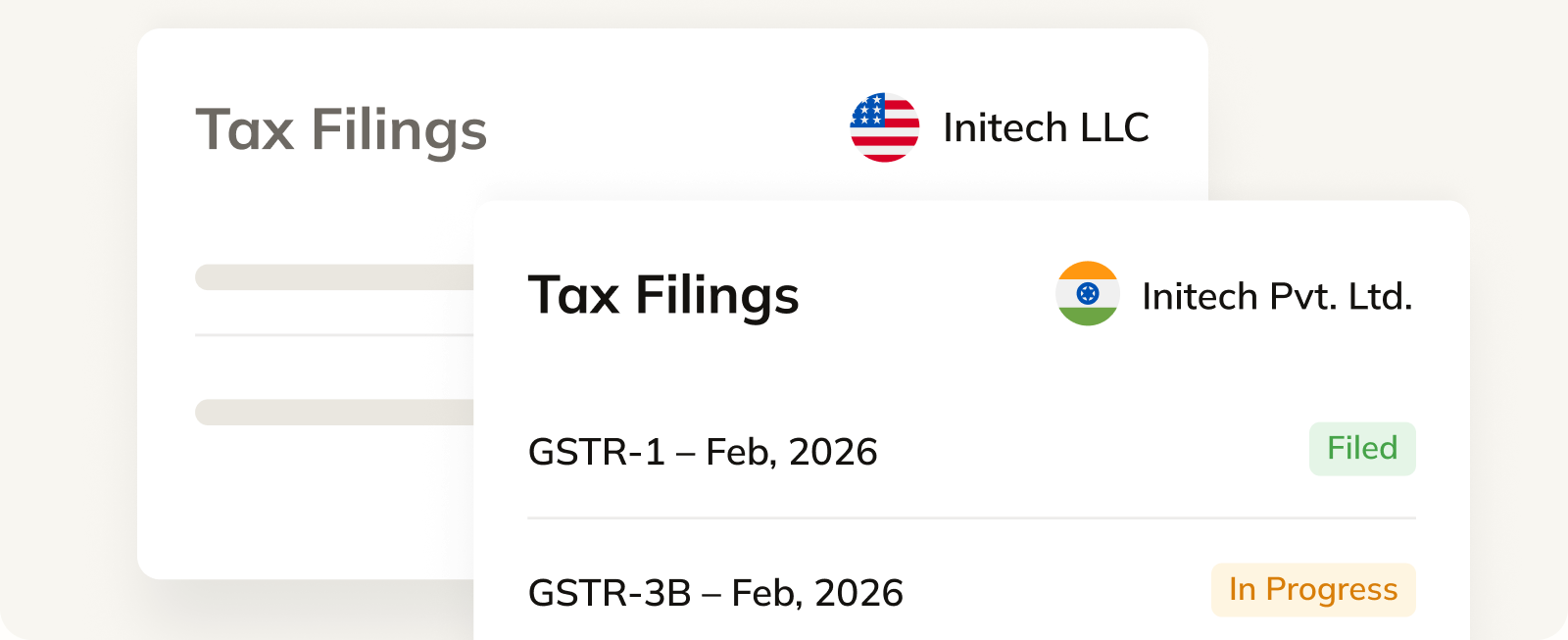
We pull intercompany transactions from your ERP and check them against your transfer pricing policy.
Learn more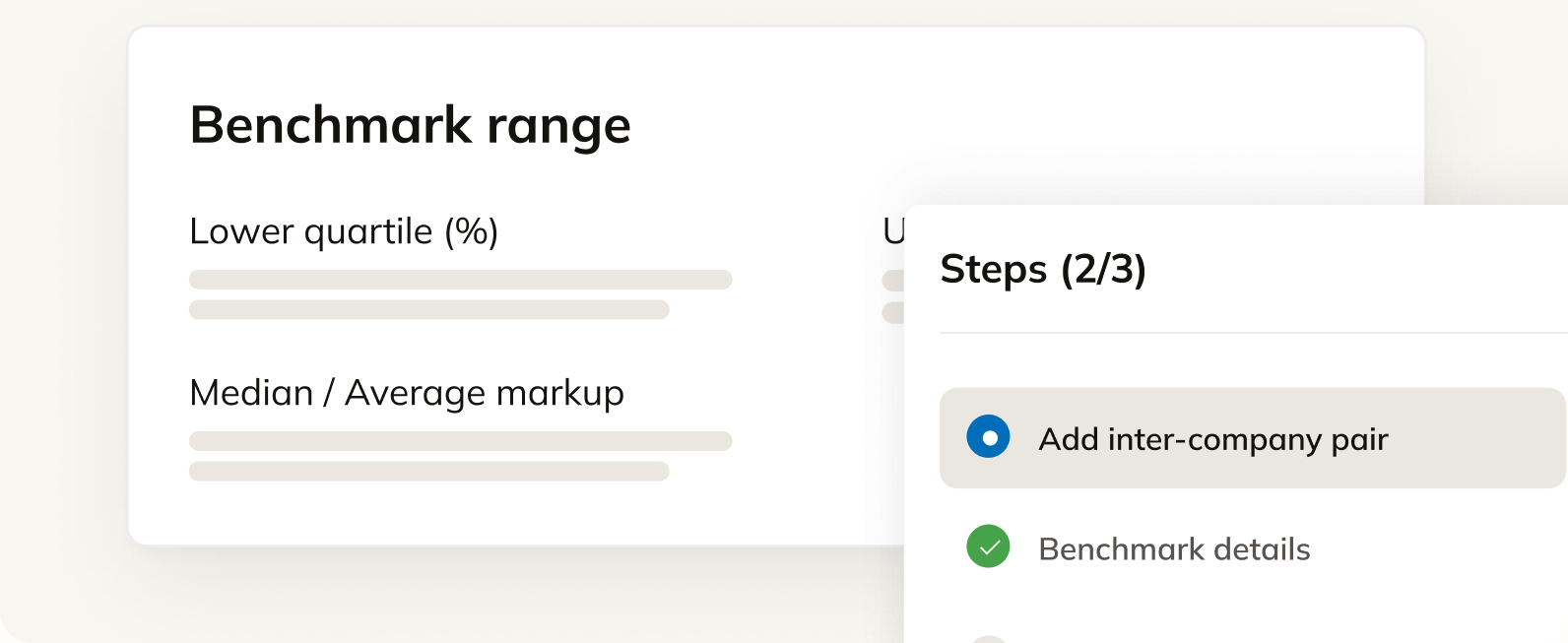
We fetch financial statements from all your accounting tools and help you stay financially compliant across 70+ countries.
Learn more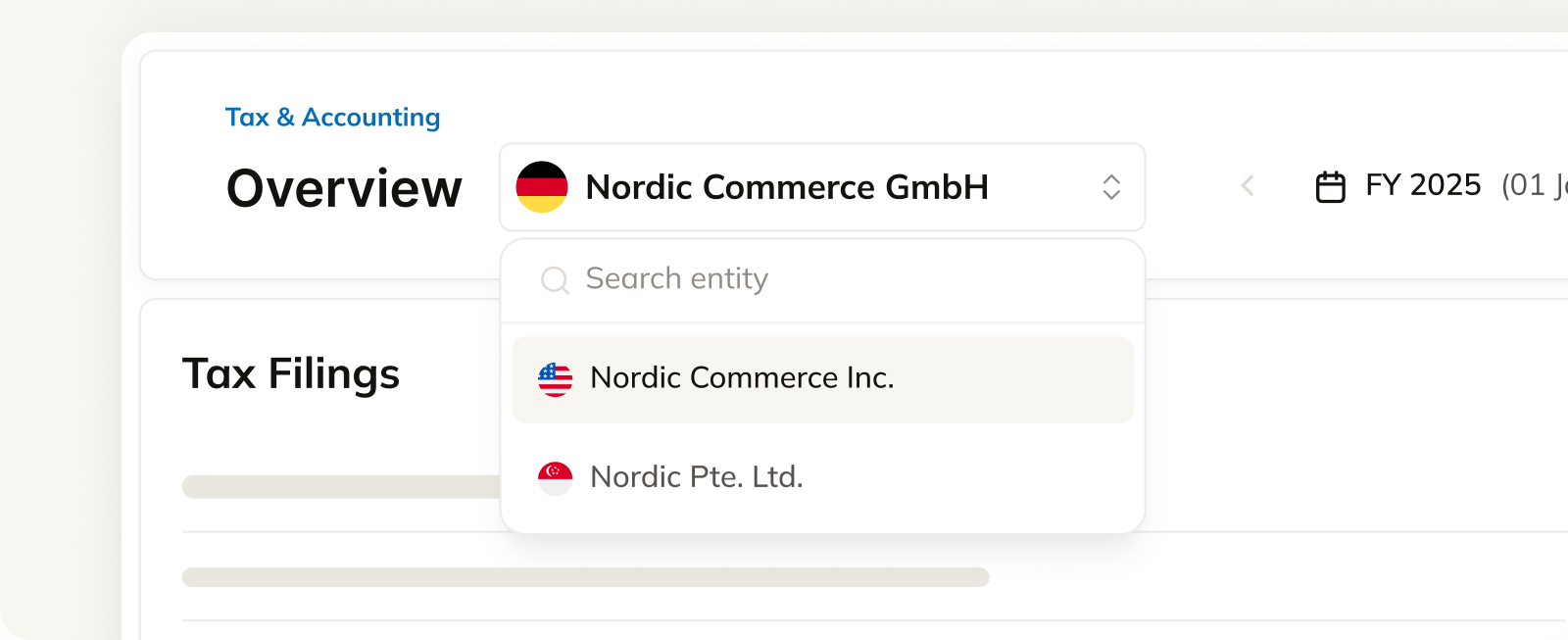
Running custom workflows in WooCommerce? We shape the integration around how your business and your accounting actually work, then maintain it after launch.
API docs
Most Commenda products are also available as an API. Pull sales tax calculations, exposure data, and filings straight into your own product or stack. REST API for anything custom.
Read the API docs (opens in a new tab)Integrations supported
Built for finance teams running international operations without a dedicated compliance function.












Yes. Multi-entity setups are natively supported, including a separate legal entity per account or subsidiary. You switch entities on one dashboard with consolidated registrations, exposure, and filings rather than running a tool per entity.
Every source is read separately and consolidated into one ledger tagged by ship-to state, with the source visible on each transaction. Tax a marketplace already collected stays separate from revenue that still needs it, so a direct WooCommerce sale gets tax applied while an already-taxed marketplace order does not.
We assign tax codes across your catalogue, including high five-figure SKU counts. One code covers the US, UK, Canada, and other supported regions, and custom codes have a quick turnaround. An account-level default applies to new products, and shipping and handling revenue stays separate from item revenue.
Yes. Your historical WooCommerce orders are analysed against thresholds in every state and country you sold into, and that is the same data used to prepare back-period filings under a voluntary disclosure agreement. The plugin calculates tax on orders from the point you switch it on, so order history is loaded separately during onboarding rather than by the plugin itself.
Physical presence, and it catches sellers out more often than thresholds do. Inventory at a 3PL, a warehouse, a remote employee, a traveling sales rep, or an office all create physical nexus in that state at any revenue, and trailing nexus keeps the obligation alive after the employee or the inventory leaves. Economic nexus is the other half, usually $100,000 in sales or 200 transactions a year.
A voluntary disclosure agreement usually waives penalties and leaves interest, and the waiver succeeds in roughly 98% of the ones we run. Lookback periods are two to four years in most states and unlimited in a few, Nevada among them. Below a meaningful liability a plain backdated registration costs less than a VDA.
Yes. Your customers upload certificates through a self-service portal. We validate and store each one against the customer, then apply it automatically to future invoices in the states where it is valid. Expiries are tracked and chased, including annual refreshes in states like Florida, and we can batch-request certificates from customers who have never sent one.
By size
By team
Learn
Tools

