































Step 01
Connect in one tap
Authorize Xero once. The same flow covers 100+ integrations across ERP, accounting, payments, and e-commerce, so adding another system later works the same way. No engineering time.
Your books sit in Xero. Keeping them compliant across borders is a separate job, and it is the one Commenda does. Commenda pulls transactions and trial balances straight from Xero, then registers, files, and remits across 70+ countries.
Trusted by global businesses
How it works
Step 01
Authorize Xero once. The same flow covers 100+ integrations across ERP, accounting, payments, and e-commerce, so adding another system later works the same way. No engineering time.
Step 02
You choose which data models sync, and what Commenda can read and write. Scopes stay visible and editable after setup, and access runs per user and per entity.
Step 03
Sales tax, VAT, and GST calculate on every transaction. Your monthly tax and accounting close on the same data. Cross-company transactions get checked against your transfer pricing policy.
Products
One Xero connection serves every Commenda product. The same sync that calculates sales tax, VAT, and GST also feeds your transfer pricing checks and your books, so you never wire up Xero twice.
We calculate sales tax, VAT, and GST on every transaction. Your global exposure summary updates in real time.
Learn more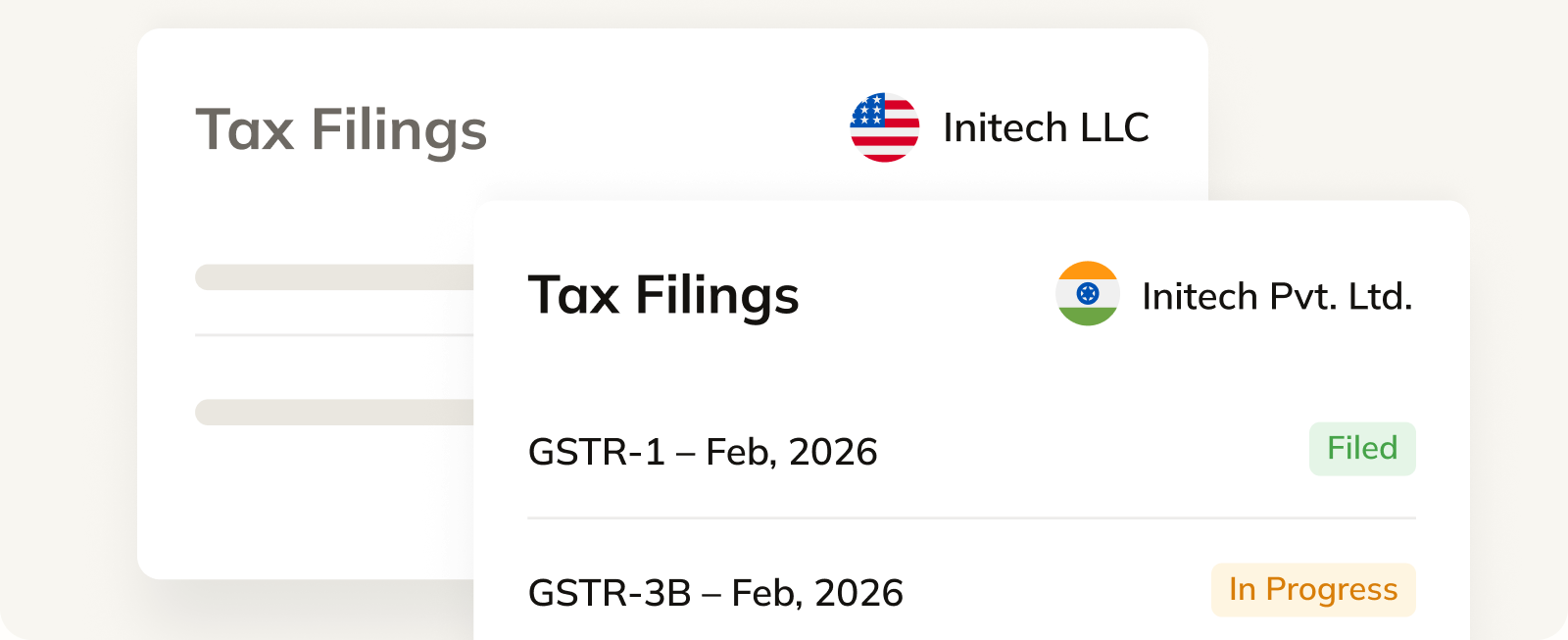
We pull intercompany transactions from your ERP and check them against your transfer pricing policy.
Learn more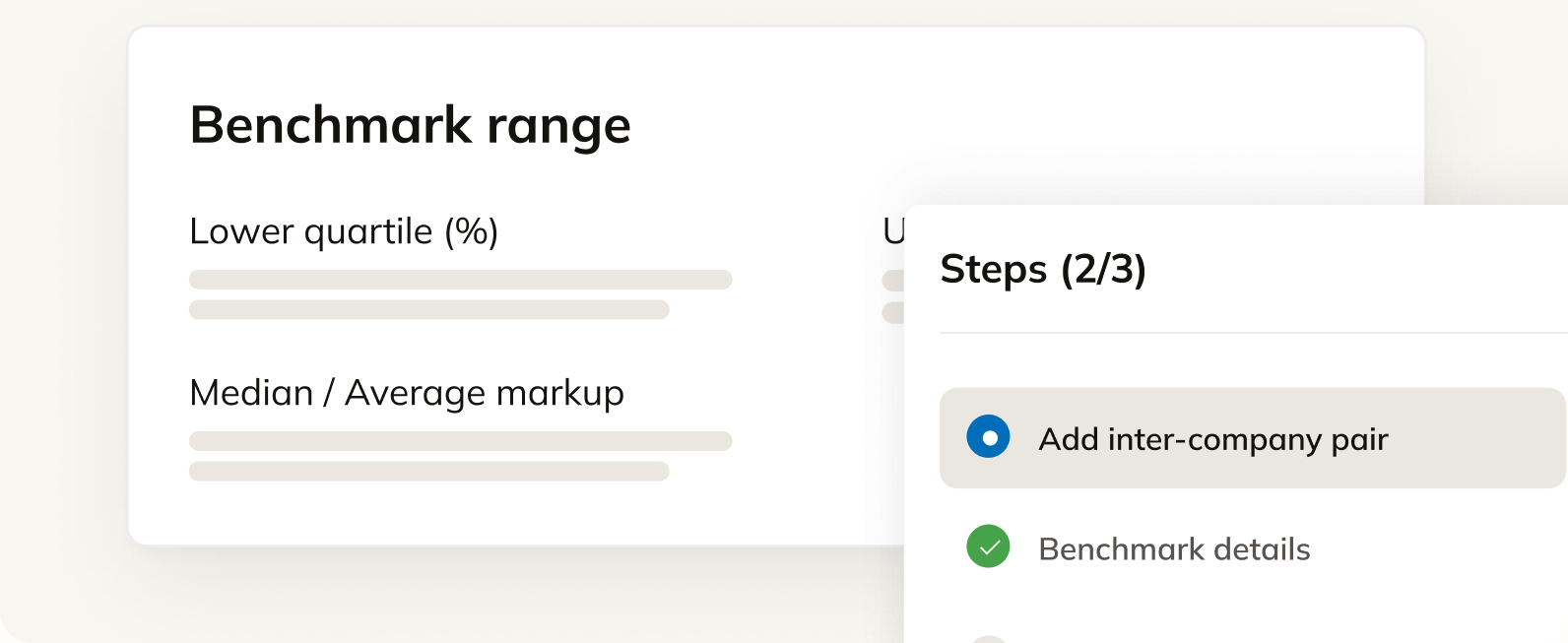
We fetch financial statements from all your accounting tools and help you stay financially compliant across 70+ countries.
Learn more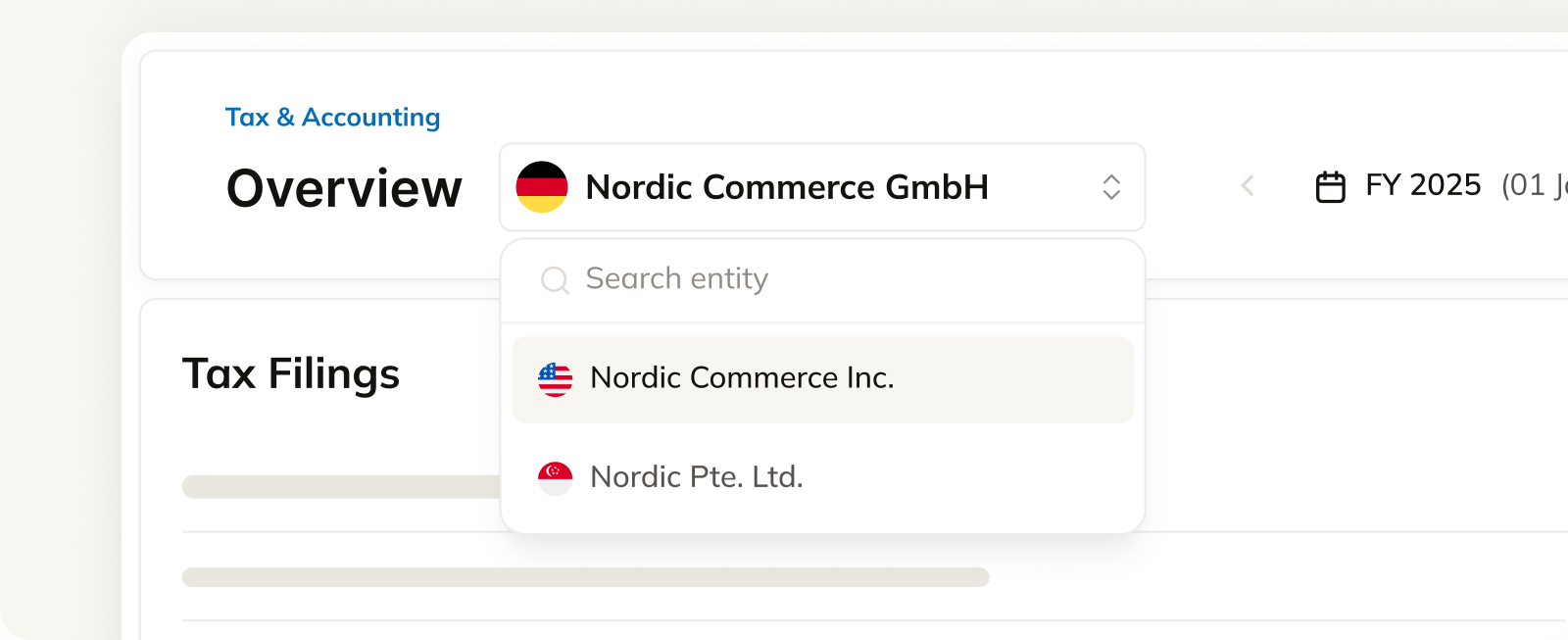
Running custom workflows in Xero? We shape the integration around how your business and your accounting actually work, then maintain it after launch.
API docs
Most Commenda products are also available as an API. Pull sales tax calculations, exposure data, and filings straight into your own product or stack. REST API for anything custom.
Read the API docs (opens in a new tab)Integrations supported
Built for finance teams running international operations without a dedicated compliance function.












Yes, in the US and the UK. The integration covers transaction sync, exposure tracking, and reporting back into the ledger, and tax is calculated on invoices while they are still drafts. Tax liabilities and filing confirmations sync back with reference numbers, so the return traces to the transactions behind it. Regional tax types are routed to separate accounts, so US sales tax and UK VAT do not land in the same place and your books stay clean.
For multi-currency, multi-entity setups Xero often handles currencies and international operations more gracefully, where QuickBooks can charge extra for multi-currency features. We support both and recommend based on your entity footprint.
Yes. Connecting Xero backfills your transaction history, and we run an exposure analysis against thresholds in every state and country you sold into. That is also the data we use to prepare back-period filings under a voluntary disclosure agreement.
A voluntary disclosure agreement usually waives penalties and leaves interest, and the waiver succeeds in roughly 98% of the ones we run. Lookback periods are two to four years in most states and unlimited in a few, Nevada among them. Below a meaningful liability a plain backdated registration costs less than a VDA.
Yes. With Xero connected, intercompany transactions are monitored against your agreed transfer pricing policy and flagged when they diverge, so you catch drift during the year instead of at filing time. Where we handle the bookkeeping, the intercompany entries and recharges post as part of the monthly close.
You set the scope, and it stays visible and editable after setup. Access is controlled per user and per entity, so not everyone on your team sees everything. Auditors get read-only access without shared credentials, and access is logged.
Yes. Multi-entity setups are natively supported, including a separate legal entity per account or subsidiary. You switch entities on one dashboard with consolidated registrations, exposure, and filings rather than running a tool per entity.
By size
By team
Learn
Tools

