
































Skip to content

Commenda integration
for Shopify

Shopify scales your storefront fast, but tax compliance stays manual and complex. Commenda helps you stay globally compliant with one tap.

Integration connection between platform and Commenda

How it works

How Commenda's integration works for Shopify

  1. Step 01

    Connect in one tap

    Authorize Shopify once. The same flow covers 100+ integrations across ERP, accounting, payments, and e-commerce, so adding a marketplace or your ERP later works the same way. No engineering time.

  2. Step 02

    Full control over what you share

    You choose which data models sync, and what Commenda can read and write. Scopes stay visible and editable after setup, and access runs per user and per entity.

  3. Step 03

    Get global compliance

    Sales tax, VAT, and GST calculate on every order. Your monthly tax and accounting close on the same data. Cross-company transactions get checked against your transfer pricing policy.

Products

How Shopify integrates with Commenda's product stack

One Shopify connection serves every Commenda product. The same sync that calculates sales tax, VAT, and GST also feeds your transfer pricing checks and your books, so you never wire up Shopify twice.

  • Shopify indirect tax integration

    We calculate sales tax, VAT, and GST on every transaction. Your global exposure summary updates in real time.

    Learn more
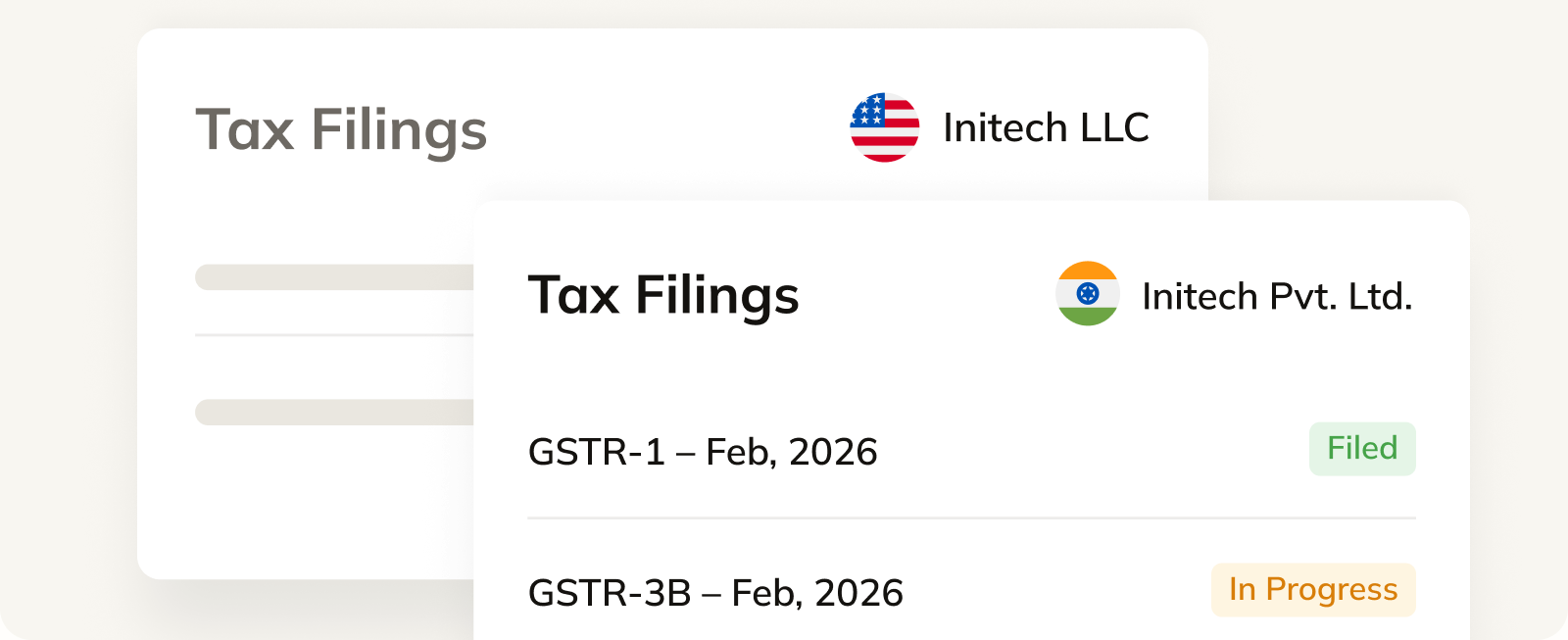
    Commenda tax filings view listing VAT and GST returns for two entities with filing status labels
  • Shopify transfer pricing integration

    We pull intercompany transactions from your ERP and check them against your transfer pricing policy.

    Learn more
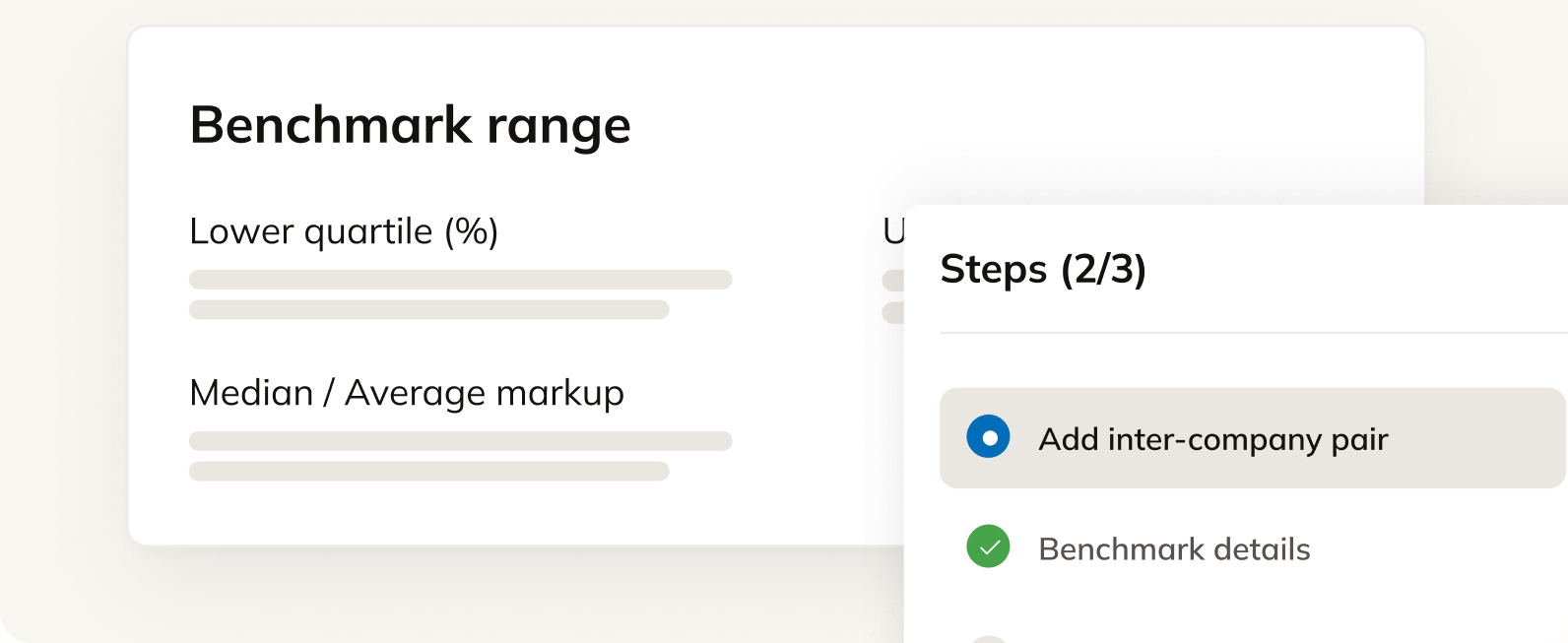
    Commenda benchmarking view showing an intercompany markup range and a guided add-a-pair step flow
  • Shopify tax and accounting integration

    We fetch financial statements from all your accounting tools and help you stay financially compliant across 70+ countries.

    Learn more
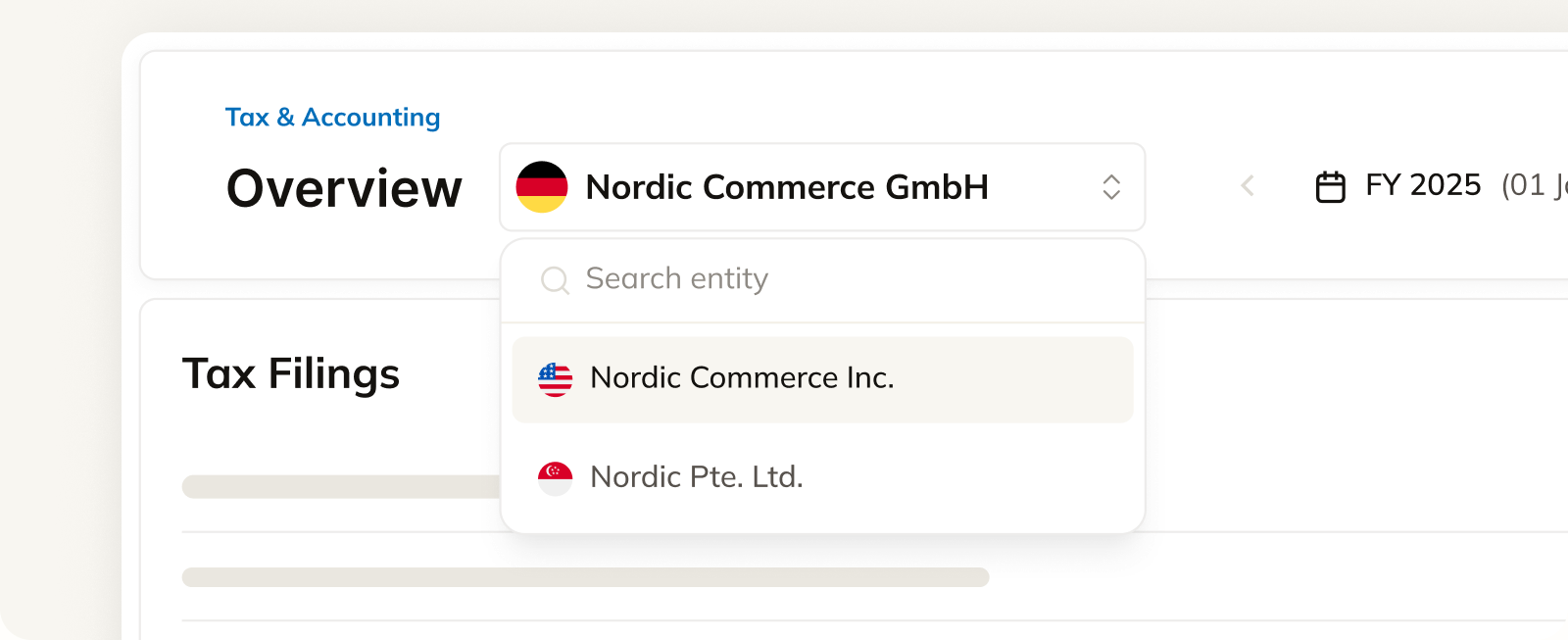
    Commenda tax and accounting overview with an entity selector and a list of tax filings by form

Custom integrations and API access, supported

Running custom workflows in Shopify? We shape the integration around how your business and your accounting actually work, then maintain it after launch.

API docs

Most Commenda products are also available as an API. Pull sales tax calculations, exposure data, and filings straight into your own product or stack. REST API for anything custom.

Explore product docs (opens in a new tab)

Frequently asked questions

The things finance and tax teams most want to know before they move their compliance to Commenda.

Shopify can calculate and collect sales tax at checkout. It does not register you in a state, and it does not file or remit. Marketplaces like Amazon, eBay, and Walmart collect and remit on the sales they facilitate under facilitator rules. Your own Shopify store is not a marketplace, so what it collects stays yours to file.

The difference is scope. Shopify Tax calculates at checkout. It does not register you, file returns, manage exemption certificates, or cover revenue that does not run through Shopify. Commenda handles the full lifecycle. Many customers run both during the transition, then retire Shopify Tax once we are filing.

Yes. Multi-storefront setups are natively supported, including cases where each store is a separate entity, and Shopify Plus is covered. You switch between entities on one dashboard with consolidated visibility of registrations, exposure, and filings. Older tax integrations often could not do this without manually splitting stores.

Each source is read separately and rolled into one exposure number. Revenue a marketplace already taxed is excluded from what still needs calculating, so a NetSuite direct sale gets tax applied while an already-taxed marketplace order does not. Exclusions can run by department, transaction field, or voucher type.

Yes. A monthly CSV upload is fully supported. The mapped fields are transaction date, amount, ship-to state, and zip, with invoice, shipping, and handling optional. We help make the first import clean.

Yes, with some scoping. Where data sits in a warehouse rather than a supported system, we work from structured exports or a custom data connection, with the right permissions on sensitive fields like customer location. We are explicit about what a custom source needs versus a native integration.

Yes. The API exposes tax calculation, nexus determination, and exemption-certificate lookup. Customers embed it directly in their own checkout or ticketing flow, including white-labeled setups where the end customer never sees Commenda.

Access is controlled by entity and by detail level, so you decide who views or edits what, and the platform keeps a record of changes. On fixes, Commenda is software and service. An in-house team handles the jurisdiction-specific work, and you get one point of contact instead of a ticket queue.