































Why Sales Tax Compliance Breaks Down in JD Edwards
- Standard JD Edwards tax setups rely on predefined rate tables that require constant manual updates to match shifting state and local regulations, leading to potential inaccuracies during peak sales periods.
- Without native economic nexus tracking, teams must manually monitor sales volume thresholds – varying from $100,000 in annual revenue in one state to 200 transactions in another – exposing businesses to unexpected liabilities.
- Filing processes stay largely manual or reliant on limited connectors, with incomplete coverage for niche exemptions, local jurisdictions, and multi-entity consolidations.
- Static tax regions struggle with address-level precision and real-time rate fluctuations.
- Absence of automated nexus alerts leaves scaling risks unchecked.
- Manual jurisdiction mapping and exemption handling amplify human error in high-volume environments.
These gaps become pronounced for growing enterprises, where outdated compliance can escalate into costly penalties or rework.
Who This Sales Tax Integration Is Built For
Sales Tax Integration Software for JD Edwards is designed for high-growth teams navigating compliance complexity head-on.
- SaaS companies are managing recurring subscription billing and usage-based taxes across state lines.
- E-commerce businesses synchronizing orders from online stores, POS systems, and marketplaces into JD Edwards.
- Professional services firms issuing invoices to clients nationwide, juggling exemptions and service taxability.
- Multi-entity organizations are consolidating tax data from subsidiaries or divisions within JD Edwards.
- Finance and accounting departments are buried in spreadsheets, seeking audit-proof automation.
- International firms expanding into the U.S. need guidance on nexus, registrations, and first filings.
This integration fits any JD Edwards user, prioritizing scalability and accuracy over patchwork solutions.
Key Sales Tax Challenges Addressed
Audit scrutiny intensifies with outdated JD Edwards tax rates, as poor record-keeping leads to under-reporting. Missed deadlines across jurisdictions pile on penalties, and manual nexus spreadsheets breed discrepancies during state expansions. Multi-channel data silos hinder remittance, while basic plugins falter on local taxes and rate changes.
Automation resolves these by unifying transaction streams, applying precise rules, and providing proactive controls, shifting from reactive fixes to scalable efficiency.
What Sales Tax Automation Entails
Sales tax automation software connects via API to JD Edwards, automating the full lifecycle from calculation to payment across 10,000+ localities. It ingests invoices, addresses, and products, for instance, a jurisdiction-specific application, syncing results bidirectionally for reconciliation. Unlike point solutions, it scales without added staff, handling bundled services and marketplace rules effortlessly.
Commenda’s JD Edwards Integration
Commenda uses secure APIs for real-time data sync of invoices, customers, and catalogs- no coding required via simple field mapping. Bidirectional flow posts taxes to ledgers while pulling updates, supporting batch historical cleanups for rapid onboarding. This preserves workflows, extends to multi-environments, and accelerates ROI in days.
Real-Time Tax Calculation Features
During JD Edwards transaction creation, Commenda applies live rates, geolocation to street level, exemptions, and shipping rules for pinpoint accuracy. Nuances like service bundles and facilitator liabilities integrate seamlessly, posting results instantly to avoid overrides or delays. This preventsover-r/under-taxing, protects margins, and builds customer trust amid volatile regulations.
Economic Nexus Monitoring
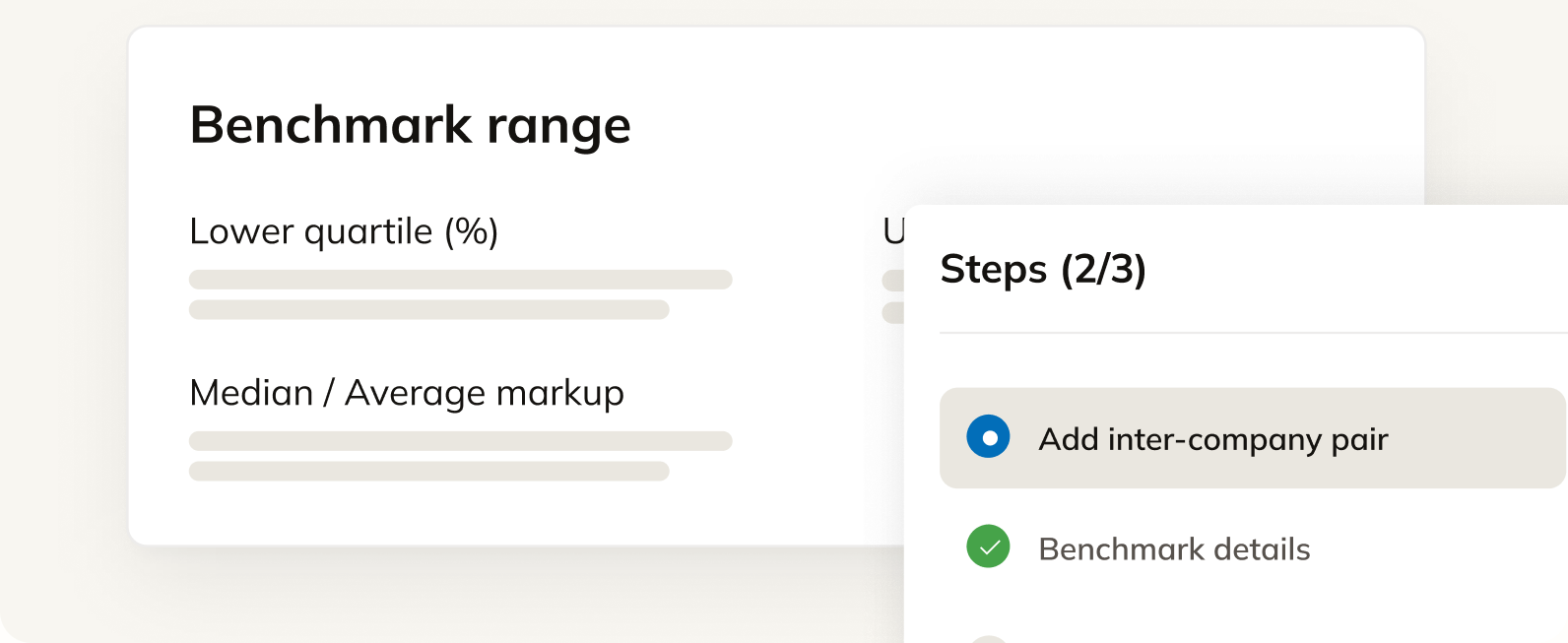
Post-2018 Wayfair, nexus triggers collection at state thresholds; Commenda analyzes JD Edwards streams daily for revenue/transaction counts, alerting via email/dashboard. Customizable for B2B or DTC models, it enables preemptive registration, minimizing penalties. Daily recalculations ensure comprehensive insights across all states.
Automated Filing and Remittance
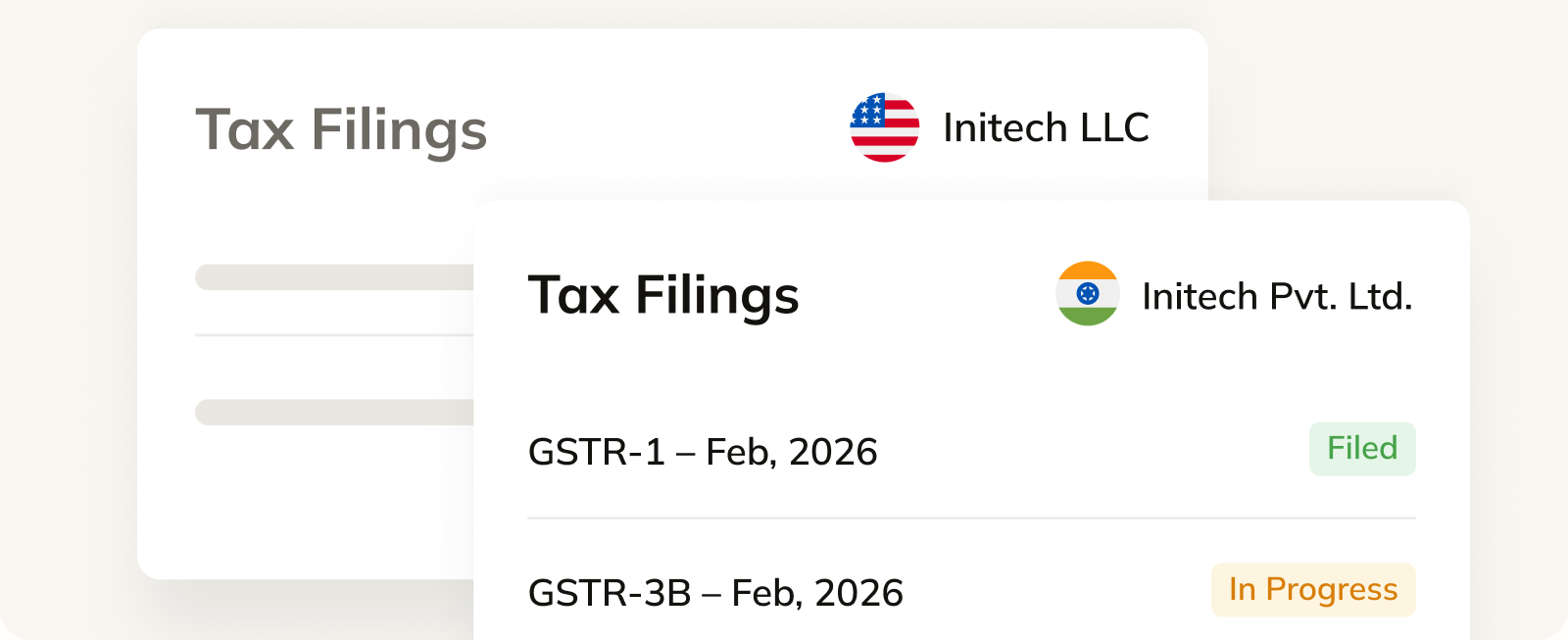
Commenda generates, validates, and e-files returns using JD Edwards data, bundling payments and consolidating multi-entity needs. Deadline reminders, prepayments, and audit-trail archives make it hands-off, with reconciled data reducing amendments. Full coverage spans states and localities, streamlining compliance end-to-end.
Centralized Dashboard Benefits
A unified view shows liabilities, calendars, statuses, nexus summaries, and archives tied to JD Edwards entities. Filters by state/channel/period, one-click exports, and mobile access deliver instant audit prep and trend forecasting. Visual charts predict obligations, empowering strategic decisions.
Multi-Entity and Channel Support
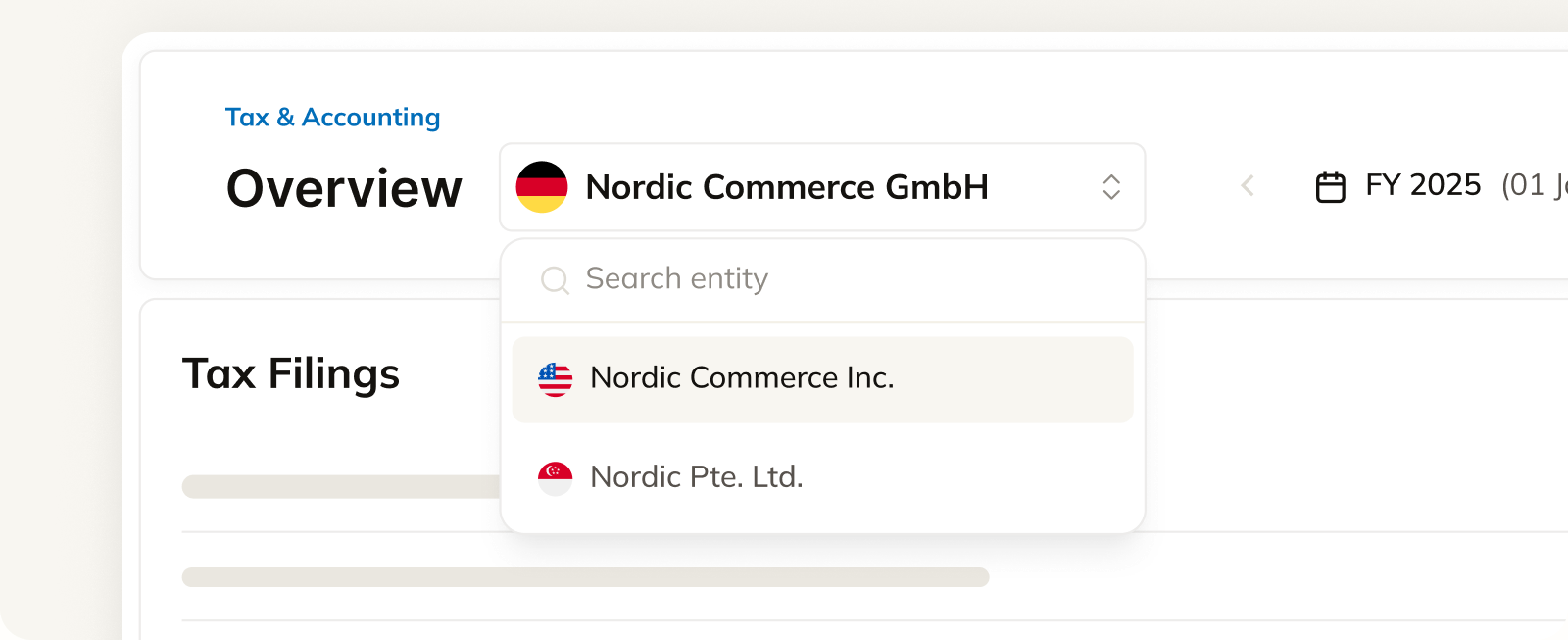
Commenda aggregates from multiple JD Edwards ledgers, ecommerce, CRM, and POS, flexibly mapping schemas for unified filings. No transactions escape, supporting global expansions or acquisitions without duplication. Channel blending ensures enterprise-wide compliance at scale.
Rapid Onboarding and Maintenance
Guided mapping validates data in days, yielding immediate automation ROI. Commenda manages all updates centrally- rates, rules, nexus- freeing IT for innovation. Proactive enhancements adapt to new regs seamlessly.
Commenda vs. Generic Tools
Commenda outperforms by embedding robust automation, cutting risks beyond plugins.
Security and Standards
Encrypted APIs, role-based access, and SOC 2 Type II compliance safeguard data with 99.99% uptime. Validated calculations from authoritative sources ensure reliability.