































Sales Tax Automation for Epicor ERP

  • Epicor ERP provides powerful tools for inventory management, order processing, financial reporting, and ERP modules tailored to mid-market manufacturers and distributors, enabling efficient operations from quote-to-cash. Yet, its native tax engine relies on predefined schedules that do not automatically adapt to daily rate updates, varying state exemptions, or post-Wayfair economic nexus rules that have transformed compliance for remote sellers. 
  • This is where Sales Tax Automation Software for Epicor ERP steps in, connecting directly to pull transaction data- invoices, orders, customer addresses- for precise, jurisdiction-specific calculations at the point of sale. 
  • Beyond calculation, it offers nexus monitoring to track sales volume against state thresholds, automated return preparation for multi-state filings, and centralized dashboards for oversight, collectively slashing manual errors by up to 90% and freeing finance teams from spreadsheet drudgery.

Why Sales Tax Compliance Breaks Down in Epicor ERP

Native Epicor ERP tax functionality handles basic calculations using static tax regions and schedules configured during setup, but these do not refresh automatically with legislative changes occurring thousands of times annually across U.S. jurisdictions. Without built-in nexus tracking, businesses must manually monitor sales by state to detect when thresholds like $100,000 in revenue trigger registration requirements, often leading to overlooked liabilities during rapid growth. Filings typically involve exporting data to external tools or spreadsheets for preparation and submission, creating reconciliation risks across limited jurisdiction coverage that expands with multi-state or international expansion. These gaps compound during audits, where mismatched rates or incomplete records expose businesses to penalties.

Who This Sales Tax Integration Is Built For

This Sales Tax Integration for Epicor ERP targets high-growth companies facing tax complexity:

  • SaaS providers scaling recurring subscriptions with customers in multiple states, needing nexus alerts tied to Epicor ERP billing.
  • E-commerce businesses syncing Epicor ERP inventory with online stores, POS systems, or marketplaces for unified tax on omnichannel sales.
  • Service firms like professional services or construction, bill nationwide projects with varying exemption certificates.
  • Multi-entity manufacturers are consolidating sales tax liabilities across divisions or subsidiaries within Epicor ERP.
  • Finance teams and CPAs require audit-ready reports and automated remittances to eliminate manual workflows.
  • International companies newly entering U.S. markets via Epicor ERP, navigating nexus and compliance from day one.

Common Sales Tax Challenges for Epicor ERP Users

Epicor ERP users frequently encounter audit risks from applying outdated tax rates or missing product-level exemptions, resulting in under- or over-collected taxes that trigger notices. Missed filings arise when manual processes fail to track quarterly deadlines across states, especially as sales expand into new jurisdictions post-economic nexus. 

Spreadsheets for reconciliation between Epicor ERP AR and tax returns breed errors, particularly with multi-channel sales from web, field services, or B2B portals, creating data silos. Scaling operations amplifies these issues, as does handling local taxes, special districts, or marketplace facilitator rules that native setups overlook.

What Is Sales Tax Automation Software for Epicor ERP?

Sales Tax Automation Software for Epicor ERP is a specialized compliance engine that integrates externally to extend native capabilities, automating the full spectrum from calculation to remittance. It connects via secure APIs to Epicor ERP’s transaction data – such as sales orders, invoices, customer details, and shipping addresses – applying real-time rates from authoritative sources covering every U.S. jurisdiction. Key functions include product taxability rules (e.g., exempting machinery in manufacturing states), exemption certificate management, economic nexus aggregation, return generation, electronic filing, and payment processing, all without altering Epicor ERP configurations or custom development.

How Commenda Integrates With Epicor ERP

Commenda delivers a no-code, API-based integration tailored for Epicor ERP, enabling bidirectional sync of critical data like invoices, transactions, customers, products, and tax postings. Setup involves simple field mapping in the Epicor ERP admin console, followed by real-time webhook triggers that push tax results back into order lines and AR modules. 

This Epicor ERP Sales Tax Integration handles high-volume transactions scalably, supports custom fields for industry-specific nuances like serialized inventory, and requires zero ongoing engineering lift, allowing deployment in hours rather than weeks.

Real-Time Sales Tax Calculation

At the moment of transaction in Epicor ERP, Commenda computes taxes line-by-line using the latest jurisdiction rules, factoring in customer location, ship-to addresses, product taxability matrices, and exemption statuses. 

For Epicor ERP users in manufacturing, it distinguishes taxable services from exempt capital equipment; for distributors, it applies nuanced rules like drop-shipping. Calculated amounts flow instantly to invoices, ensuring AR accuracy and customer billing precision without batch delays or manual overrides.

Economic Nexus Monitoring and Alerts

Economic nexus mandates sales tax collection once remote sales exceed state-specific thresholds, such as $500,000 in New York or $100,000 in most others. 

Commenda continuously aggregates Epicor ERP transaction data by state, entity, and product category, displaying progress bars toward thresholds with customizable alerts via email, Slack, or dashboard notifications. Proactive warnings give teams 30-60 days to register, preventing inadvertent non-compliance during growth spurts.

Automated Sales Tax Filing and Remittance

Commenda transforms Epicor ERP data into compliant returns, auto-populating forms for all states and 10,000+ localities with aggregated liabilities, adjustments, and payments. It submits electronically where required, initiates ACH remittances from linked accounts, and tracks confirmations with PDF archives. 

Deadline calendars ensure no missed cycles, covering everything from monthly Chicago locals to annual filings.

Centralized Compliance Dashboard

A unified dashboard centralizes Epicor ERP-linked views: live liabilities by jurisdiction, filing calendars with countdowns, return status trackers, and historical audits. Drill into transaction-level details, export 1099s or audit packages, and set role-based permissions for finance viewers versus approvers, all synced in real-time.

Multi-Entity and Multi-Channel Support

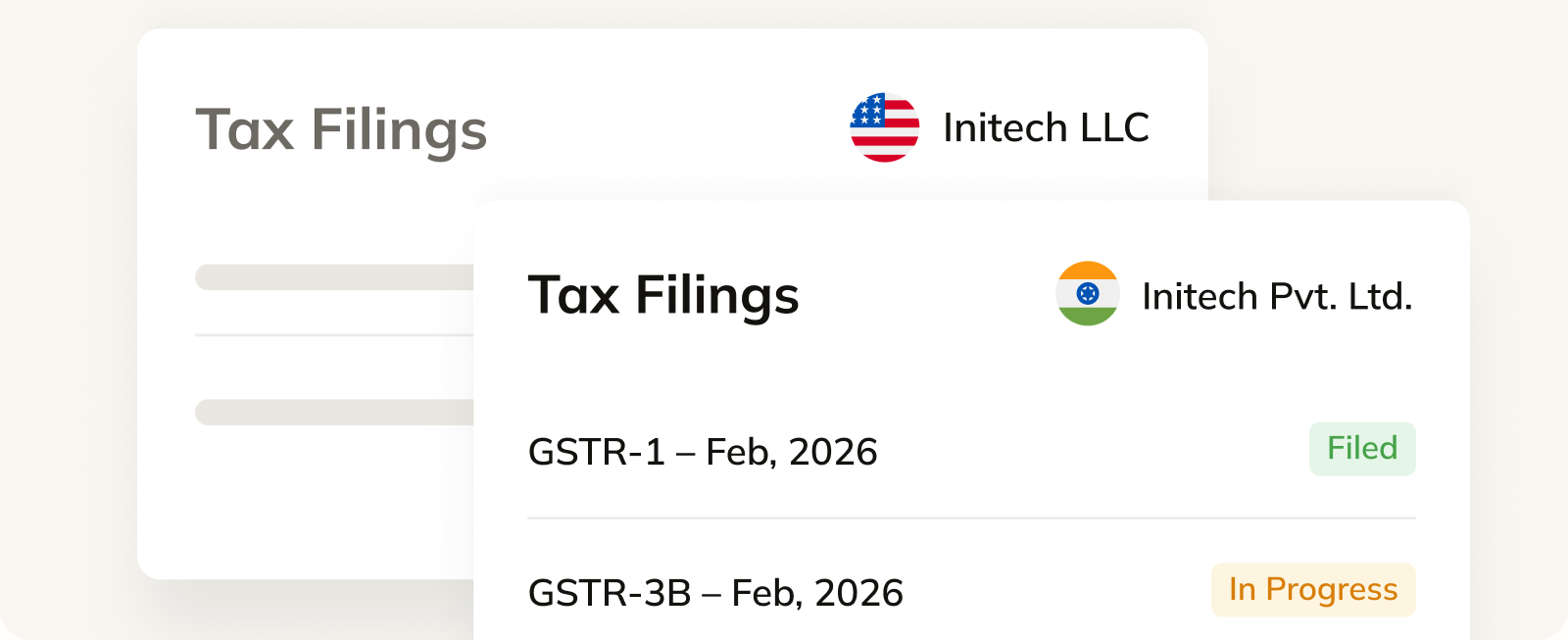
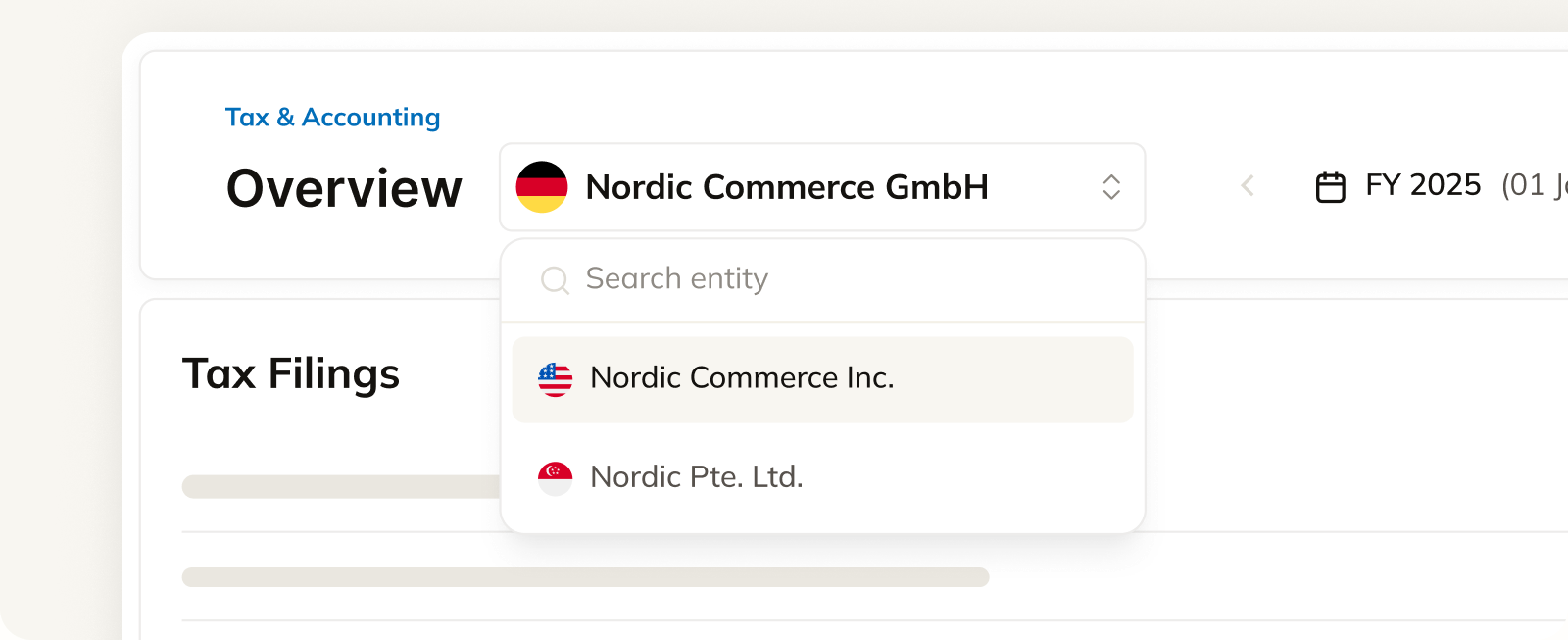
For Epicor ERP multi-entity setups, Commenda rolls up sales across companies for nexus and consolidated filings, while segregating returns as needed. It ingests data from connected channels- ecommerce platforms, CRM billing, or EDI partners – normalizing into Epicor ERP for holistic compliance, ideal for distributors with marketplace sales.

Time to Value and Ongoing Maintenance

Achieve value in days: map Epicor ERP fields, test transactions, and go live with white-glove onboarding. Commenda handles all maintenance-rate updates, rule changes, and nexus shifts- daily from primary sources, so users focus purely on operations.

Commenda vs. Generic Sales Tax Tools

Feature Commenda Generic tools/spreadsheets Basic tax plugins
End-to-End Filing Auto-prep, e-file, remit across all jurisdictions Manual assembly/export Calc-only, no filing
Nexus & Alerts Real-time tracking/alerts from ERP data Static spreadsheets No monitoring
Multi-Entity Scalability Unlimited entities/channels consolidated Breaks at complexity/volume Single-entity limited
Accuracy & Audit-Readiness 99.9% uptime, full trails to ERP source High human error risk Basic rates, no exemptions
Maintenance Fully managed updates User-maintained Infrequent updates

Commenda excels in full-cycle automation and ERP-native workflows.

Security, Accuracy, and Compliance Standards

Commenda employs AES-256 encryption for Epicor ERP data in transit/rest, SOC 2 Type II certification, and HIPAA-grade access controls. Every calculation logs immutable audit trails back to source transactions, with 99.9% accuracy validated against state audits.