Selecting the right advisor for business setup is rarely a one-time decision. For many organizations, it becomes an ongoing evaluation as incorporation projects evolve into long-term compliance, governance, and operational responsibilities. Searches for tetra consultants alternatives for business setup often emerge at this inflection point when businesses begin questioning whether advisory-led engagement models can continue to meet growing demands for speed, transparency, and consistency across jurisdictions.

Rather than focusing solely on company registration, this article examines how different providers support the entire business setup lifecycle, from initial incorporation to ongoing regulatory obligations. 

It provides a structured comparison of Tetra Consultants and its leading alternatives, highlighting where traditional consulting models excel, where they may encounter limitations, and how modern, technology-driven platforms such as Commenda are reshaping expectations for global business setup guidance.

Key Takeaways

  • Tetra Consultants offers advisory-led business setup, incorporation, and licensing services across multiple jurisdictions.
  • Businesses often search for alternatives to Tetra Consultants as they expand internationally and require greater transparency, scalability, and centralized compliance oversight.
  • Key comparison drivers include geographic coverage, reliance on manual processes, pricing predictability, responsiveness, and long-term compliance support.
  • Leading alternatives include Commenda, TMF Group, Vistra, CSC, Osome, and Sleek, each suited to different business profiles.

What Is Tetra Consultants?

Tetra Consultants is an international business advisory firm that supports clients with company incorporation, regulatory licensing, and market entry across a wide range of jurisdictions. The firm is frequently engaged by entrepreneurs and SMEs seeking hands-on guidance when setting up operations in new countries.

Tetra Consultants’ core services typically include:

  • Company incorporation and registration
  • Business licensing and regulatory approvals
  • Corporate structuring advisory
  • Compliance and administrative support
  • Jurisdiction-specific regulatory consulting

Its clients often include:

  • International entrepreneurs
  • SMEs expanding into foreign markets
  • Businesses requiring advisory-led setup or licensing support
  • Companies entering regulated or unfamiliar jurisdictions

Service Delivery Model

Tetra Consultants generally operates through a consulting-driven service model. Engagements are typically managed through advisory calls, document preparation, and coordination with local authorities or partners in each jurisdiction.

This approach can be practical for:

  • One-off incorporations or licensing projects
  • Jurisdictions requiring significant regulatory interpretation
  • Businesses seeking hands-on, human-led guidance

However, as organizations scale, adding entities, operating across multiple regions, or managing recurring compliance, some businesses begin to evaluate whether a purely advisory model provides sufficient structure, visibility, and operational efficiency.

Why Businesses Compare Tetra Consultants Alternatives?

Businesses rarely explore alternatives unless their requirements have evolved. In the case of Tetra Consultants, options for business setup, comparisons are often driven by growth, complexity, and governance needs rather than dissatisfaction.

Below are the most common, factual reasons businesses reassess providers like Tetra Consultants.

1. Expansion Into Multiple Jurisdictions

As companies expand beyond one or two countries, they encounter challenges such as:

  • Different incorporation timelines
  • Varying documentation and disclosure requirements
  • Multiple regulatory calendars
  • Inconsistent compliance interpretations

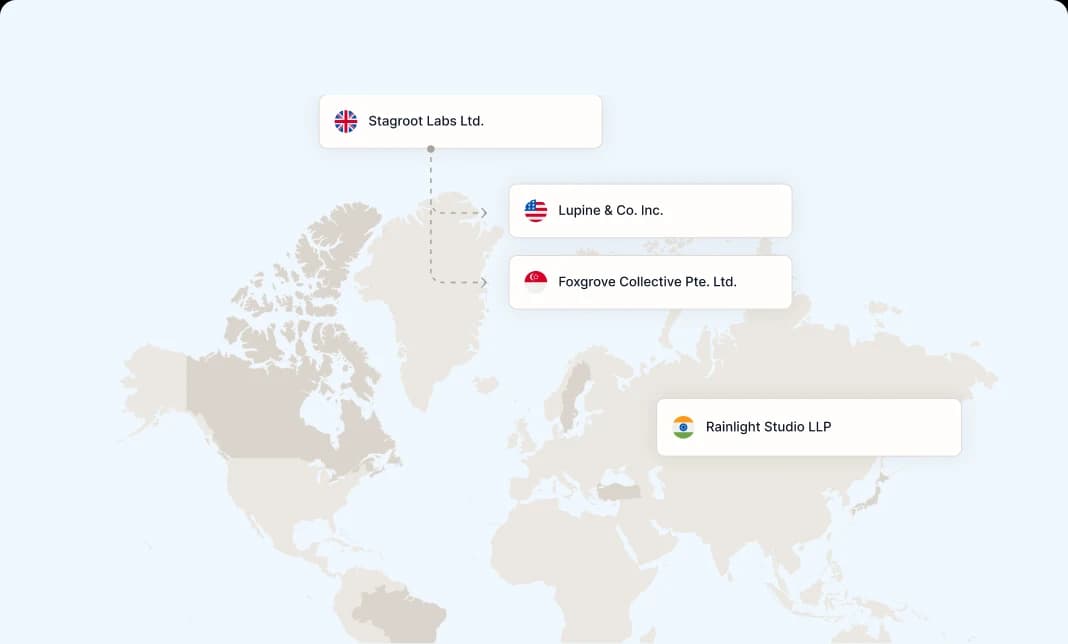
While Tetra Consultants supports many jurisdictions, businesses expanding rapidly across regions often seek alternatives that provide consistent execution and centralized oversight, rather than managing each country as a standalone project.

2. Limited Centralized Visibility

Traditional advisory models typically rely on:

  • Email-based updates
  • Periodic status reports
  • Manual follow-ups

As entity counts grow, this makes it difficult for internal teams to answer basic operational questions, such as:

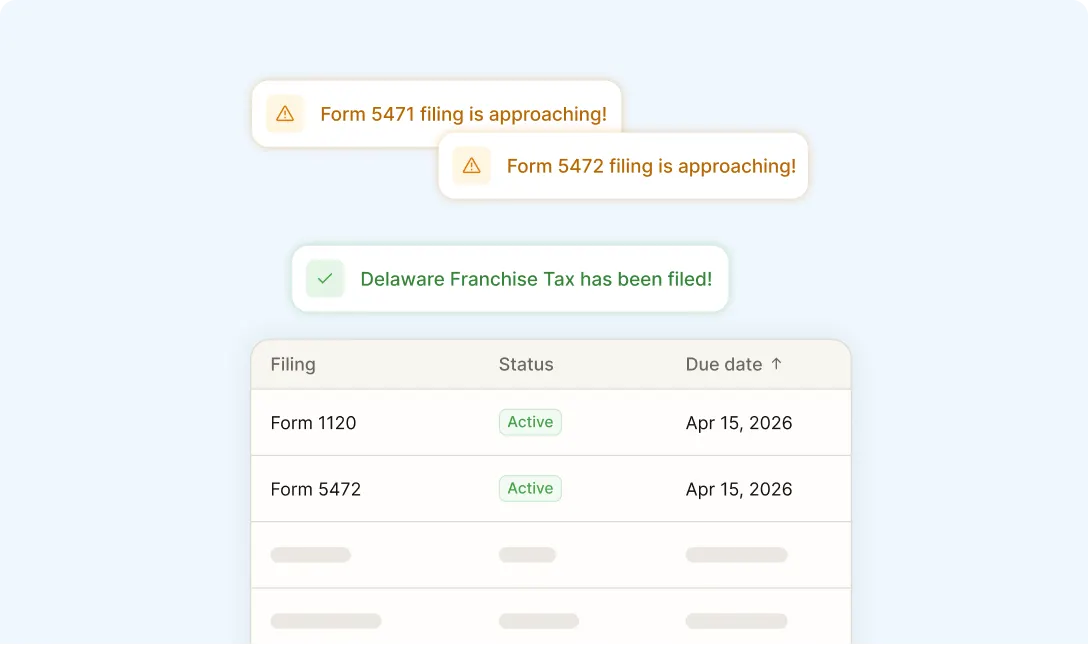
  • Which entities have upcoming filing deadlines?
  • Which jurisdictions are fully compliant?
  • Where are compliance risks emerging?

Many businesses, therefore, seek alternatives that offer real-time visibility into global entity status.

3. Manual and Process-Heavy Workflows

Consulting-led business setup often involves manual coordination across teams and jurisdictions. Over time, this can lead to:

  • Slower turnaround times
  • Inconsistent documentation formats
  • Higher dependency on individual consultants

For businesses managing multiple entities, these limitations can introduce operational risk and inefficiency, prompting interest in more structured, technology-enabled alternatives.

4. Pricing Transparency and Predictability

International business setup frequently involves recurring obligations such as:

  • Annual filings
  • License renewals
  • Registered office services

Businesses increasingly want:

  • Clearly defined service scopes
  • Predictable compliance costs
  • Fewer ad-hoc or variable fees

Lack of pricing clarity can complicate budgeting, particularly for finance teams managing costs across multiple regions.

5. Long-Term Compliance and Governance Needs

Incorporation is only the beginning. Over time, businesses must manage:

  • Annual statutory filings
  • Corporate changes (directors, shareholders, addresses)
  • Regulatory updates
  • Audit readiness and record retention

Providers focused primarily on setup may not offer sufficient infrastructure for ongoing compliance lifecycle management, leading businesses to explore alternatives.

As these needs emerge, businesses often shift from asking “Who can help us set up?” to “Who can support us sustainably across markets?” 

Trusted Alternatives to Tetra Consultants for Cross-Border Structuring

While Tetra Consultants is known for supporting global company formation and compliance, companies may explore alternatives that offer different pricing models, jurisdictional strengths, or technology-enabled workflows. The following providers stand out as reliable alternatives for businesses seeking flexible, scalable solutions for international incorporation and ongoing compliance.

1. Commenda

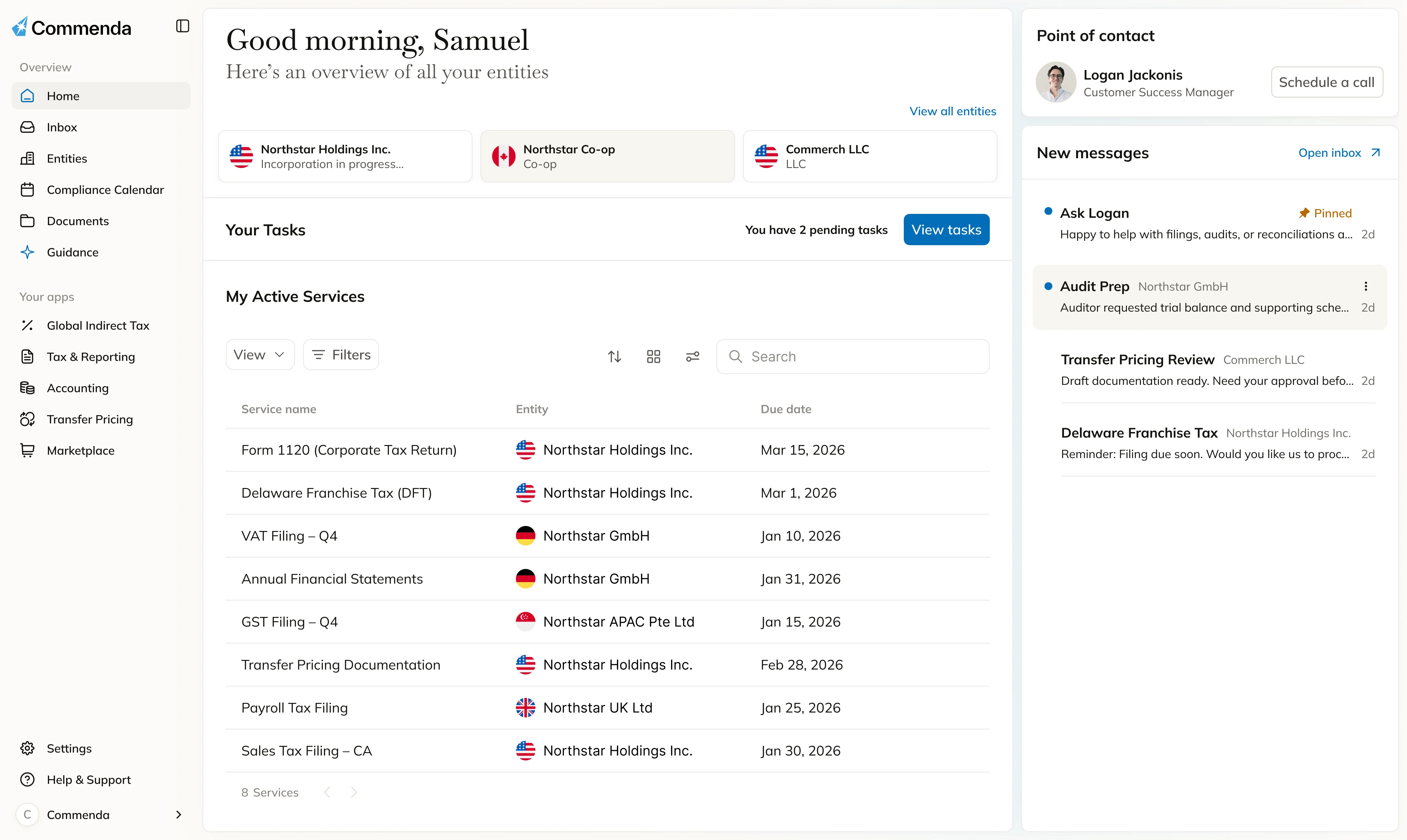
Commenda is a technology-driven platform built to help companies manage global incorporation, entity data, and ongoing compliance through centralized, standardized workflows. Unlike advisory-led firms, Commenda positions itself as a compliance infrastructure, not just a service provider.

What Commenda Offers

Commenda supports the full legal entity lifecycle, including:

  • International company incorporation across multiple jurisdictions
  • Centralized entity management for subsidiaries and holding structures
  • Tracking of statutory filings, deadlines, directors, and ownership data
  • Secure documentation management with audit-ready records
  • Ongoing governance and compliance monitoring

The platform is designed to replace fragmented tools, spreadsheets, and email-based coordination with a single system of record for global compliance.

Strengths

  • Centralized compliance dashboard across all entities and jurisdictions
  • Standardized, repeatable workflows that reduce execution risk
  • Strong focus on governance, transparency, and audit readiness
  • Scales efficiently as entity count and regulatory exposure grow

Limitations and Scaling Considerations

  • Less focused on bespoke legal advisory or tax structuring
  • Best value realized when managing multiple entities rather than single incorporations
  • Requires internal teams willing to adopt structured compliance processes

Ideal Use Cases

Commenda is best suited for:

  • Scale-ups and enterprises operating across multiple jurisdictions
  • Companies preparing for audits, fundraising, M&A, or IPOs
  • Legal and finance teams seeking visibility and control over compliance
  • Businesses that have outgrown advisory-only service models

Commenda is often evaluated by businesses that have outgrown advisory-only service models and require enterprise-grade compliance infrastructure.

Book a demo today to know more about their services. 

2. TMF Group

TMF Group is a multinational provider offering accounting, payroll, tax, and corporate secretarial services across a wide range of jurisdictions. It is one of the most established players in the global compliance services market.

What TMF Group Offers

TMF Group provides:

  • Company incorporation and corporate secretarial services
  • Accounting, tax, and payroll compliance
  • Regulatory reporting and statutory filings
  • Local execution supported by in-country teams

Its model emphasizes local regulatory expertise supported by global coordination.

Strengths

  • Extensive geographic coverage, including complex and emerging markets
  • Strong depth in accounting, payroll, and tax compliance
  • Trusted by large multinational corporations

Limitations and Scaling Considerations

  • Traditional, relationship-driven delivery model
  • Limited real-time visibility into compliance status
  • Higher cost structures as entity count increases
  • Less emphasis on self-service or automation

Ideal Use Cases

TMF Group is best suited for:

  • Large enterprises with established global footprints
  • Organizations with internal legal and finance teams
  • Businesses operating in highly regulated jurisdictions

TMF is often chosen for regulatory reliability, even if it comes at the expense of speed or automation.

3. Vistra

Vistra delivers company formation, accounting, fund administration, and trust services to international businesses and investment structures.

What Vistra Offers

Vistra supports:

  • Company incorporation and corporate administration
  • Accounting and financial reporting
  • Trust, fund, and private wealth structuring
  • Ongoing compliance support across jurisdictions

Its strength lies in handling customized and complex structures.

Strengths

  • Broad service portfolio across corporate and trust structures
  • Experience with private equity, investment vehicles, and holding companies
  • Flexible approach to bespoke structuring needs

Limitations and Scaling Considerations

  • Service quality and execution can vary by region
  • Manual coordination remains common
  • Limited centralized compliance technology

Ideal Use Cases

Vistra is best suited for:

  • Companies with complex ownership or investment structures
  • Private equity and fund-backed entities
  • Businesses prioritizing bespoke advisory over automation

Vistra works well where structural complexity outweighs the need for standardized workflows.

4. CSC

CSC specializes in entity management, governance, and compliance for multinational corporations, particularly in regulated industries.

What CSC Offers

CSC provides:

  • Entity management and governance services
  • Compliance and regulatory reporting
  • Corporate governance tools and data management
  • Support for regulated industries

Its services are designed around risk management and regulatory rigor.

Strengths

  • Strong governance and compliance focus
  • Proven experience in highly regulated sectors
  • Robust entity data and governance frameworks

Limitations and Scaling Considerations

  • Enterprise-oriented pricing and onboarding
  • Longer implementation timelines
  • Less flexibility for startups or fast-growing scale-ups

Ideal Use Cases

CSC is best suited for:

  • Large, compliance-heavy organizations
  • Regulated industries such as finance, pharma, and insurance
  • Businesses prioritizing risk mitigation over speed

CSC is often selected where governance depth is non-negotiable.

5. Osome

Osome is a digital platform offering incorporation, accounting, and bookkeeping services primarily for startups and SMEs.

What Osome Offers

Osome supports:

  • Company incorporation in select regions
  • Accounting, bookkeeping, and tax filings
  • Digital onboarding and document handling
  • Founder-oriented compliance reminders

The platform emphasizes simplicity and ease of use.

Strengths

  • Intuitive, founder-friendly interface
  • Fast onboarding and setup
  • Cost-effective for early-stage businesses

Limitations and Scaling Considerations

  • Limited support for multi-entity or cross-border compliance
  • Regional rather than global focus
  • Not designed for enterprise governance or audit readiness

Ideal Use Cases

Osome is best suited for:

  • Startups and SMEs operating in one or two jurisdictions
  • Founders seeking quick setup and basic compliance
  • Businesses with straightforward ownership structures

Osome is effective in early stages but may require migration as international complexity increases.

6. Sleek

Sleek is a digital-first incorporation and compliance provider focused on simplifying company setup and basic statutory requirements in a limited number of jurisdictions. Its core value proposition centers on speed, usability, and founder-friendly onboarding, making it appealing to early-stage businesses and solo founders.

What Sleek Offers

Sleek primarily supports:

  • Company incorporation in select jurisdictions (such as Singapore, Hong Kong, the UK, and Australia)
  • Basic corporate secretarial services
  • Accounting, bookkeeping, and tax filing for small businesses
  • Digital document handling and reminders for statutory deadlines

The platform is designed to reduce friction during the initial setup phase, allowing founders to incorporate and begin operations quickly without navigating complex legal processes.

Strengths

  • Fast incorporation timelines driven by standardized, digital workflows
  • Clean, intuitive interface that minimizes administrative overhead for founders
  • Transparent pricing models that appeal to cost-conscious startups
  • Strong fit for first-time founders unfamiliar with compliance requirements

Sleek’s emphasis on automation and simplicity makes it effective for businesses that value convenience over customization.

Limitations and Scaling Considerations

  • Limited jurisdiction coverage, which can become restrictive as companies expand internationally
  • Compliance support is largely founder-oriented, rather than designed for internal legal or finance teams
  • Less suitable for managing multiple entities, complex ownership structures, or holding companies
  • Limited depth in governance, audit-readiness, and cross-border compliance coordination

As businesses grow, add subsidiaries, or enter regulated markets, Sleek’s lightweight model may require supplementation with more robust compliance providers or internal legal infrastructure.

Ideal Use Cases

Sleek works best for:

  • Early-stage startups launching in a single market
  • SMEs with straightforward ownership and operational structures
  • Founders prioritizing speed, affordability, and ease of use
  • Businesses with minimal cross-border or regulatory complexity

For companies planning rapid international expansion or managing layered corporate structures, Sleek is often a starting point rather than a long-term solution.

Comparison Table: Tetra Consultants vs. Top Alternatives

Provider Ideal Use Case Supported Regions Service Model Considerations Scalability
Commenda Global compliance & governance Global Technology-driven platform Requires structured adoption, less bespoke legal advisory High 
Tetra Consultants Advisory-led business setup Multi-country Advisory-led, consultant-driven Strong jurisdictional expertise, hands-on support Moderate
TMF Group Large enterprises Global Professional services firm Traditional delivery model, higher cost, limited self-service High 
Vistra Complex international & investment structures Global Corporate services provider Regional service quality may vary, manual coordination High
CSC Regulated industries Global Enterprise governance & compliance Enterprise pricing, onboarding complexity, less flexible for SMEs High 
Osome Startups & SMEs Regional Digital-first platform Limited global scope, not suitable for multi-entity structures Low-to-Moderate 
Sleek Early-stage companies Regional Digital-first platform Narrow jurisdiction coverage, limited compliance depth Low 

How to Choose the Right Alternative for Your Business?

Choosing the right alternative to Tetra Consultants requires aligning provider capabilities with your business’s operational complexity and growth plans.

Key evaluation criteria include:

  • Jurisdictional footprint
  • Entity structure and change frequency
  • Scope of ongoing compliance
  • Technology and visibility
  • Pricing transparency
  • Support responsiveness

A provider that supports the entire compliance lifecycle, not just setup, can significantly reduce long-term risk and operational friction.

Why Commenda Is a Modern Alternative to Tetra Consultants?

As companies expand across borders, relying solely on advisory-led service models can create gaps in visibility, consistency, and efficiency. Unlike traditional firms that focus mainly on one-time incorporation, Commenda integrates regulatory expertise with technology-driven workflows to manage the full lifecycle of global entities.

What Sets Commenda Apart

  • Centralized oversight of multiple entities: Track subsidiaries, deadlines, directors, and ownership data from a single platform.
  • Standardized compliance workflows: Automate routine tasks while ensuring statutory and regulatory requirements are consistently met.
  • Real-time operational visibility: Gain instant insights into compliance status across jurisdictions, reducing risk and the need for manual monitoring.
  • Scalable support for international growth: Designed to accommodate additional entities, new markets, and changing regulatory landscapes without operational disruption.

By providing a lifecycle-oriented approach, Commenda is not just a service provider; it is a compliance infrastructure that grows with your business. Companies evaluating alternatives to traditional advisory models can use Commenda to assess readiness for multi-market operations, strengthen governance, and align compliance processes with long-term strategic objectives.

For organizations reassessing their business setup and compliance infrastructure, Commenda provides resources to evaluate global entity management readiness and long-term compliance alignment.

Talk to an expert today! 

Frequently Asked Questions

1. How should businesses evaluate provider independence when choosing an alternative?

Some business setup providers rely heavily on third-party agents or local partners, which can affect consistency and accountability. When evaluating alternatives, businesses should assess whether the provider directly manages filings and compliance workflows or primarily coordinates external intermediaries. Greater direct control often leads to clearer responsibility and more predictable outcomes.

2. Do incorporation providers typically support internal compliance teams or replace them?

Most incorporation and advisory providers are designed to support, not replace, internal legal or compliance teams. The most effective alternatives integrate well with in-house workflows, providing visibility, documentation, and tracking tools that allow internal teams to retain oversight while outsourcing execution.

3. How vital is standardization when managing entities across different countries?

Standardization becomes critical as the number of jurisdictions increases. Without consistent processes for document handling, deadline tracking, and reporting, businesses may struggle to maintain uniform governance standards. Providers that lack standardized workflows often require more internal coordination and manual oversight.

4. Can switching providers mid-structure create compliance risks?

Changing providers while entities are already active can introduce short-term risk if historical records, filings, or responsibilities are not transferred accurately. Businesses considering alternatives should confirm how a provider manages transitions, including document handovers, compliance reviews, and backlog assessments to ensure continuity.

5. How do providers differ in handling regulatory updates over time?

Regulatory requirements evolve regularly, particularly around reporting, transparency, and ownership disclosure. Some providers rely on manual monitoring or jurisdiction-specific updates, while others use structured systems to track changes across regions. Businesses should understand how alternatives stay current and communicate regulatory changes.

6. Is it common for providers to support only setup but not exit or restructuring?

Yes. Many providers focus heavily on incorporation and early-stage setup but offer limited support for later-stage events such as restructurings, entity closures, or jurisdiction exits. Businesses anticipating structural changes should verify whether an alternative supports the full entity lifecycle, not just entry.

7. How does document ownership affect long-term compliance management?

Clear ownership and access to corporate records are essential for audits, due diligence, and regulatory inquiries. Providers that store documents in fragmented systems or rely on email-based sharing may limit transparency. Centralized, accessible records reduce dependency on individual contacts and improve continuity.

8. What role does risk tolerance play in choosing a business setup provider?

Different businesses have different risk profiles. Highly regulated industries or investor-backed companies may require stricter governance, audit readiness, and documentation standards than early-stage ventures. The right alternative should align not only with growth plans, but also with the organization’s risk tolerance and compliance expectations.