Wyoming business registration is the essential first step for entrepreneurs looking to legally establish and operate a business in the state. Proper registration ensures compliance with Wyoming laws, protects your personal assets, and unlocks benefits such as tax advantages and access to funding. 

Whether you’re launching a small sole proprietorship or a growing corporation, understanding the Wyoming registration process is key to setting a solid foundation.

Key Takeaways

  • Choose the Right Structure: Wyoming offers Sole Proprietorships, Partnerships, LLCs, Corporations, and Nonprofits. LLCs are especially popular due to strong privacy and asset protection.
  • Understand the Process: Register by selecting an entity, checking name availability, filing with the Wyoming Secretary of State, appointing a registered agent, getting an EIN, and registering for state taxes.
  • Licensing vs. Registration: Registration forms your legal business; separate licenses may be needed depending on your industry or location in Wyoming.
  • Avoid Common Errors: Don’t skip the name search, submit incomplete filings, miss license requirements, or forget annual reports and fees.

Wyoming offers a business-friendly environment with no corporate or personal income tax and a simple registration process. 

The state’s diverse economy, including energy, tourism, and agriculture, makes it appealing for startups and expanding businesses. Registering your business in Wyoming is essential for legal operation, credibility, and access to state resources.

Why Register a Business in Wyoming?

Wyoming is recognized as one of the most business-friendly states in the United States, attracting entrepreneurs with its unique advantages and supportive regulatory environment. Here are key reasons why registering your business in Wyoming is a smart move:

  • No State Income Tax: Wyoming imposes no personal or corporate income tax, making it a highly tax-efficient state. This allows business owners to keep more profits and reinvest in growth.
  • Strong Asset Protection and Privacy: Wyoming offers some of the strongest asset protection laws in the nation. Owners benefit from privacy protections, including the option to form anonymous LLCs, shielding ownership details from public records.
  • Affordable Filing Fees and Maintenance Costs: Wyoming’s filing fees and annual report costs are among the lowest in the country, easing the financial burden on startups and small businesses.
  • Business-Friendly Legal Environment: The state’s streamlined regulations reduce bureaucracy. Wyoming’s laws promote business growth by simplifying registration and providing clear operational guidelines.
  • Strategic Market Access and Infrastructure: Located centrally in the western United States, Wyoming offers access to regional markets with solid transportation infrastructure and a supportive workforce, making it ideal for businesses expanding their reach.
  • Supportive State Resources: Wyoming offers grants, low-interest loans, and workforce development programs to help businesses secure funding and grow competitively.

Proper business registration in Wyoming is essential to reap the benefits of these advantages. With that covered, let’s move on to the types of business entities that exist in the state.

Types of Business Entities in Wyoming

Choosing the right structure is a crucial decision when determining how to start a business in Wyoming. Here are the most common entities and their features:

  • Limited Liability Company (LLC): Wyoming LLCs are the most popular choice for small to medium-sized businesses. They provide owners, known as members, with personal liability protection, meaning personal assets are generally protected from business debts. Profits and losses pass through to members’ personal tax returns, avoiding double taxation. Wyoming LLCs also benefit from strong privacy protections, as ownership details are not publicly disclosed, and the state imposes simple annual maintenance requirements.
  • Corporation (C-Corp and S-Corp): Corporations offer strong liability protection and are suited for businesses seeking to raise capital or issue stock.
    • C Corporations are taxed as separate legal entities, which can lead to double taxation. Once at the corporate level and again on shareholder dividends.
    • S Corporations allow profits and losses to pass through directly to shareholders’ personal tax returns, avoiding double taxation, but come with ownership limits, including restrictions on the number and type of shareholders.
  • Sole Proprietorship: The simplest form of business, a sole proprietorship requires no formal registration with the state. The owner has full control but is personally liable for all business debts and obligations. It is easy and inexpensive to start, but it lacks liability protection.
  • Partnership (General and Limited): A partnership involves two or more individuals sharing ownership, profits, and management duties.
    • General Partnerships have partners who share equal responsibility and personal liability for business obligations.
    • Limited Partnerships consist of general partners who manage the business and have unlimited liability, and limited partners who invest capital but have liability only up to their investment and limited involvement in management.
  • Nonprofit Corporation: Nonprofits in Wyoming serve charitable, educational, or community purposes. After filing with the Wyoming Secretary of State and obtaining IRS tax-exempt status, nonprofits must comply with specific governance, reporting, and operational requirements to maintain their tax-exempt status.

Now, let’s look at the actual steps for how to start a business in Wyoming.

Step-by-Step Guide to Wyoming Business Registration

Registering your business in Wyoming involves several important steps to ensure your company is legally compliant and ready to operate. Follow this step-by-step process to complete your Wyoming SOS business registration smoothly:

Step 1: Choose Your Business Structure

Start by deciding the most appropriate business entity based on your goals, liability concerns, taxation preferences, and management style. Common options include:

  • Sole Proprietorship (no formal state registration needed)
  • General or Limited Partnership
  • Limited Liability Company (LLC)
  • Corporation (C-Corp or S-Corp)
  • Nonprofit Corporation

If you opt for an LLC, corporation, or nonprofit, you must register with the Wyoming Secretary of State. Sole proprietorships and general partnerships may have less formal filing requirements, but may still need to register trade names locally.

Step 2: Select a Unique Business Name

Your business name must be distinctive and comply with Wyoming naming rules, including suffix requirements (e.g., “LLC,” “Inc.”). Use the Wyoming Secretary of State’s online business name search tool to confirm availability before filing for the Wyoming business registration.

If you plan to operate under a different name, you can register a Doing Business As (DBA) or trade name with the county clerk’s office.

Step 3: File Formation Documents

Submit the appropriate formation paperwork with the Wyoming Secretary of State:

  • Articles of Organization for LLCs
  • Articles of Incorporation for corporations
  • Certificate of Limited Partnership for limited partnerships
  • Articles of Incorporation for non-profit corporations

You can file online through the Wyoming Business Center portal or by mail. Filing fees generally start at $100 for LLCs and corporations, with nonprofits paying lower fees. Additional convenience fees apply for online filings.

Step 4: Appoint a Registered Agent

Wyoming business registration requires every business entity to maintain a registered agent with a physical address in Wyoming. This agent accepts legal notices and official correspondence on behalf of your business.

You can hire a professional registered agent service or designate an individual resident of Wyoming.

Step 5: Obtain an Employer Identification Number (EIN)

Apply for an EIN through the IRS website. This is required if your business will hire employees, operate as a corporation or partnership, or open a business bank account.

Even sole proprietors without employees often benefit from obtaining an EIN to separate personal and business finances.

Step 6: Register for Wyoming State Taxes

If your business sells taxable goods or services or employs staff, you must register with the Wyoming Department of Revenue to collect sales tax, remit withholding taxes, and pay unemployment insurance.

You can register online with the Department of Revenue or through the Wyoming One Stop Business Registration portal.

Step 7: Apply for Required Licenses and Permits

While Wyoming does not require a general business license, certain industries and local governments require specific permits or licenses. These may include:

  • Sales tax permits
  • Professional or occupational licenses
  • Health and safety permits
  • Environmental or construction permits

Check with the Wyoming Business Council and local city or county offices for applicable requirements.

Step 8: Open a Business Bank Account

Separating your business and personal finances is crucial. After obtaining your EIN, open a business bank account in Wyoming to simplify accounting and protect your liability status, especially for LLCs and corporations.

Ongoing Compliance After Wyoming Business Registration

Wyoming state business registration is just the start. To keep your Wyoming business in good standing, you must meet several ongoing requirements:

  • File Annual Reports: All LLCs, corporations, and similar entities must file an Annual Report with the Wyoming Secretary of State. The report updates your company’s contact information, ownership, and financial details.
    • Due Date: Reports are due on the first day of your business’s anniversary month each year.
    • Fee: The fee depends on your assets in Wyoming, starting at $50.
    • Filing: You can file online or by mail. Online filing includes a convenience fee based on the amount owed. Late filing can result in fees or administrative dissolution.
  • Pay the Annual License Tax: Your annual license tax is calculated based on assets located in Wyoming and is paid with your Annual Report.
  • Maintain a Registered Agent: You must have a registered agent with a physical address in Wyoming to accept legal documents. Keep this information updated with the Secretary of State.
  • Renew Licenses and Permits: Some businesses require specific licenses or permits depending on their industry or location. Renew these on time to avoid fines or interruptions.
  • File and Pay Taxes: While Wyoming has no personal or corporate income tax, you must still file and pay applicable taxes, such as sales tax, withholding tax, and unemployment insurance tax if you have employees.
  • Keep Business Records: Maintain accurate financial records, meeting minutes, and internal documents like operating agreements. This helps you stay organized and ready for any legal or tax reviews.

Do You Need a Business License in Wyoming?

In Wyoming, a general business license is not required to operate. However, depending on your industry and location, you may need specific licenses or permits to comply with state and local regulations.

You’ll likely need a business license or a Wyoming business registration permit if:

  • You sell taxable goods or services and must collect sales tax.
  • You offer professional services that require occupational licensing, such as healthcare, legal, or construction.
  • Your business operates in a regulated industry, such as food service, transportation, or environmental services.
  • Local city or county governments impose licensing requirements based on your business type or location.

It’s important to distinguish between business registration in Wyoming and business licensing:

  • Business registration officially forms your legal entity with the Wyoming Secretary of State and establishes your company’s legal existence.
  • Business licensing grants permission to operate legally within specific industries or local jurisdictions.

To determine the licenses and permits you need, check with the Wyoming Business Council, relevant state agencies, and your local city or county offices. Ensuring you have all required licenses helps you avoid fines and operate smoothly.

Wyoming Business Registration Lookup: How to Verify a Business?

Before registering your business, use the Wyoming business registration lookup to:

  • Check if your desired business name is available.
  • Verify the status of existing businesses in Wyoming.
  • View key details like formation date, registered agent, and compliance status.

How to Use the Lookup Tool:

  1. Visit the Wyoming Secretary of State’s Business Search portal.
  2. Search by business name, filing ID, or registered agent.
  3. Review results for entity type, registration status, formation date, agent info, and filing history.

Why Use This Tool?

  • Ensure your business name isn’t already taken.
  • Confirm the legitimacy and standing of other companies.
  • Stay informed about your own business’s status and filings.

This tool is an essential resource for anyone starting or researching a business in Wyoming, providing accurate, up-to-date information from the state.

Common Mistakes to Avoid When Registering in Wyoming

To ensure your Wyoming business registration goes smoothly and is completed without delays or issues, it’s important to avoid these common and costly mistakes:

  • Choosing the Wrong Business Entity: Picking a structure without fully understanding tax, liability, and management implications can cause costly issues. Evaluate whether an LLC, corporation, partnership, or sole proprietorship fits your needs.
  • Failing to Check Business Name Availability: Not confirming your business name is unique before filing can lead to rejected applications or legal conflicts. Always use the Wyoming Secretary of State’s name search tool.
  • Missing or Submitting Incorrect Formation Documents: Incomplete or inaccurate filings delay registration and increase costs. Make sure to submit all required paperwork correctly with necessary signatures and fees.
  • Neglecting Required Licenses or Permits: Registering your business entity is just one step. Many industries and locations require specific licenses or permits. Ignoring these can result in fines or closure.
  • Forgetting Ongoing Filings and Fees: Wyoming requires annual reports and license tax payments. Missing deadlines can lead to penalties or dissolution. Use reminders to stay compliant.
  • Not Maintaining a Registered Agent in Wyoming: A registered agent with a physical Wyoming address is required to receive legal notices. Failure to keep this updated risks missing documents and non-compliance.

Why Use a Professional Service for Wyoming Business Registration?

State of Wyoming business registration involves various forms, meeting deadlines, and ensuring compliance with state laws. This process can be complex and time-consuming for many entrepreneurs.

Using a professional service can simplify registration by:

  • Advising you on the most suitable business entity for your specific needs and goals.
  • Preparing and submitting all required documents accurately to avoid delays or rejections.
  • Assisting with obtaining all necessary licenses and permits relevant to your industry.
  • Tracking important compliance deadlines like annual reports and tax filings to keep your business in good standing.

Choosing professional help not only saves you valuable time but also reduces the risk of costly mistakes, allowing you to focus on growing your business confidently.

How Commenda Simplifies Wyoming Business Registration?

Starting and managing a business in Wyoming doesn’t have to be overwhelming. Commenda serves as your dedicated partner, guiding you through every stage of the Wyoming business registration process and beyond, so you can focus on growing your enterprise.

With Commenda, you receive:

  • Registration Support: We help you choose the right business structure and file formation documents with the Wyoming Secretary of State accurately and on time.
  • EIN & Permits: We assist in obtaining your EIN and necessary permits to ensure full compliance.
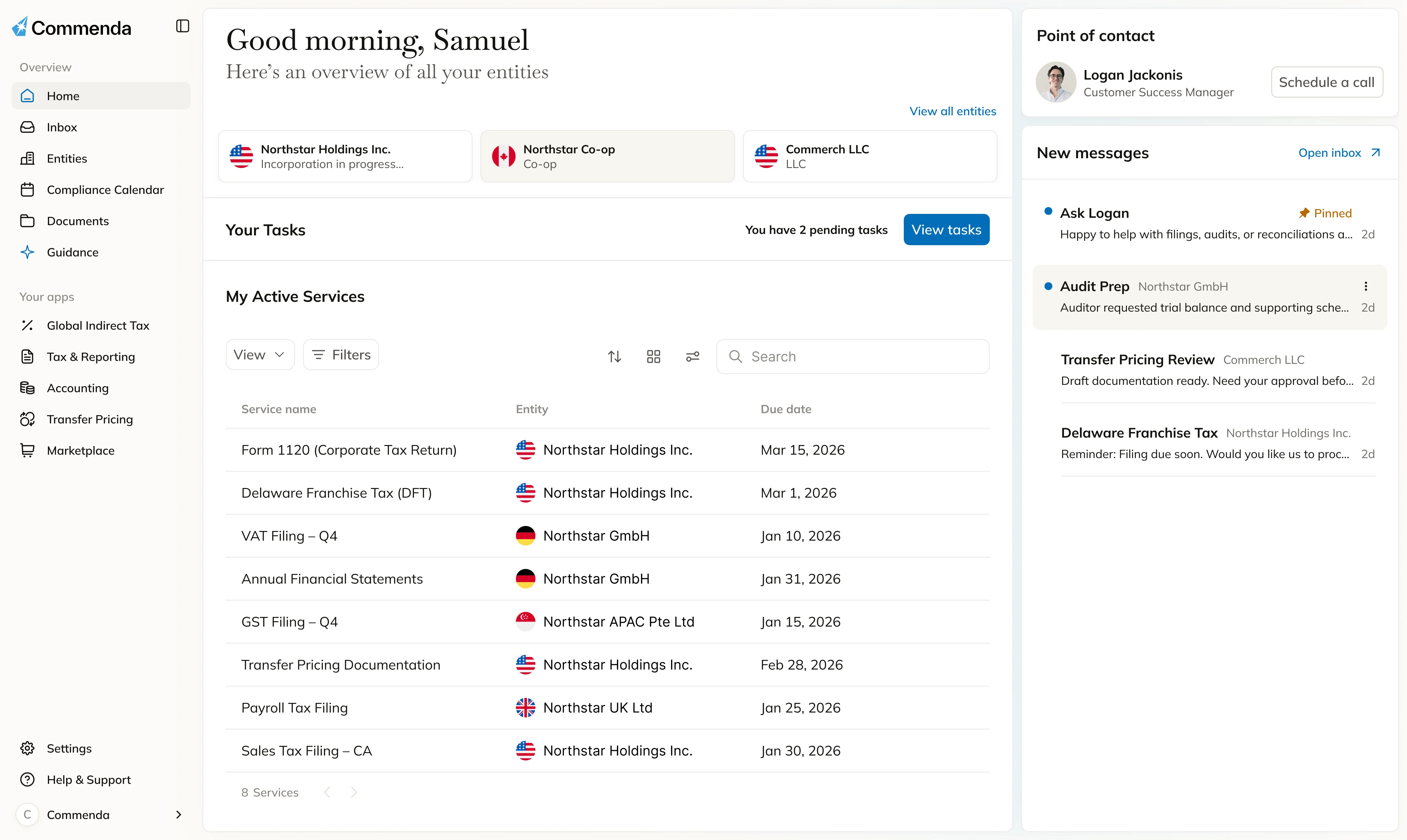
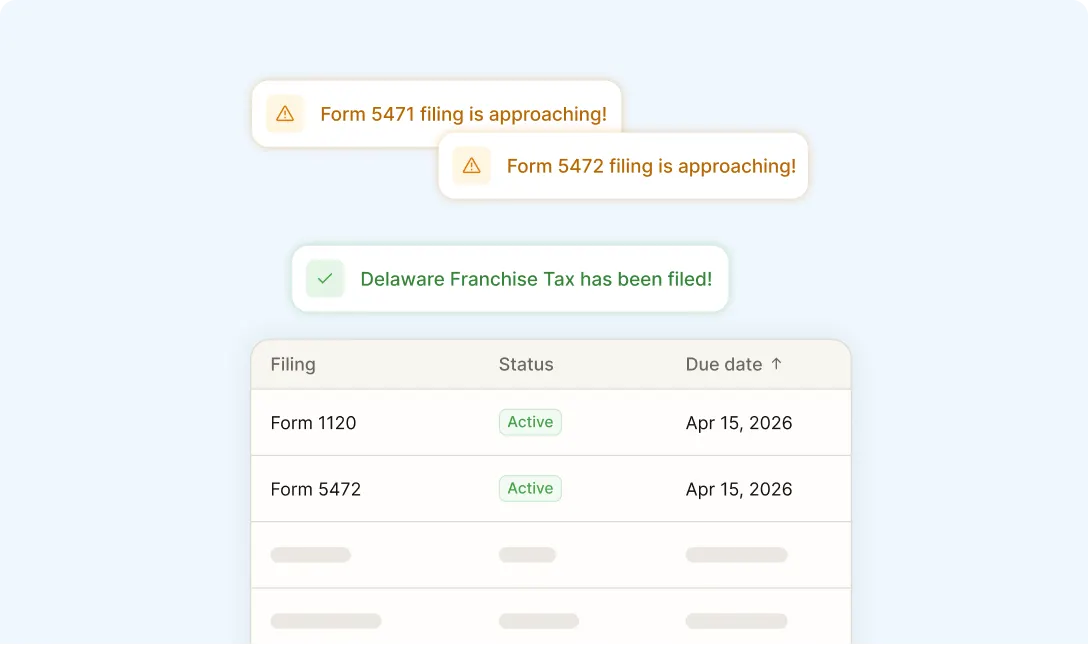
  • Compliance Management: Commenda tracks deadlines like annual reports and license renewals, sending reminders to avoid penalties.
  • Multi-State & Global Expansion: Planning to grow? We support registration and compliance across multiple states and countries.
  • Expert Guidance: Our specialists provide answers and tailor solutions to your business needs.

Let Commenda take care of the administrative details while you focus on building your business. Reach out today to get started with ease.

FAQs

Q. How do I register a business in Wyoming?
You can register your Wyoming business registration easily with Commenda. We handle selecting your entity type, filing formation documents with the Wyoming Secretary of State, and registering for state taxes, so you can focus on your business.

Q. How much does it cost to register a business in Wyoming?
Filing fees start at $100 for LLCs. Additional costs may apply for licenses and permits.

Q. How long does Wyoming business registration take?
Online filings usually process within a few business days; paper filings take longer.

Q. Do I need to register my business if I’m a sole proprietor in Wyoming?
Sole proprietors generally do not file formation documents but must register trade names and obtain relevant licenses.

Q. What is the difference between an LLC and a Corporation in Wyoming?
LLCs offer flexible management and pass-through taxation; corporations have formal structures and may face double taxation unless they elect S-Corp status.

Q. Can I register my Wyoming business online?
Yes, Commenda facilitates full online registration, handling filings, and compliance, so you don’t have to worry.

Q. How do I check if a business name is available in Wyoming?
Use the Wyoming Secretary of State’s business name search tool online.