Do business in Kenya. Without the mess.
Register a Private Limited Company with the Business Registration Service, handle KRA tax compliance, and access East Africa's most dynamic startup ecosystem, all through one platform. Kenya is the hub of East African business. Getting your entity right from day one matters.

Trusted by global businesses

































Why Kenya
East Africa's dominant economy and the continent's leading fintech and startup hub.
Kenya is the largest economy in East Africa by GDP and the anchor market for any company expanding across the region. Nairobi has earned its reputation as Silicon Savannah: the M-Pesa mobile money ecosystem, a dense concentration of tech accelerators, and a growing pool of engineering and finance talent make it the preferred base for fintech, agritech, and enterprise software companies entering East and Central Africa.
The Business Registration Service processes Private Limited Company incorporations in 3 to 4 weeks. KRA tax registration, VAT enrollment, and sector-specific licenses add time but are mandatory before commencing operations. Kenya's 30% corporate tax is offset by a broad treaty network and specific incentives for Special Economic Zones and the Nairobi International Financial Centre. Commenda manages the full incorporation and compliance stack so your Kenya entity is operational without delay.
Explore Kenya incorporation- 30%Corporate income tax rateKenya's standard corporate income tax rate. Companies newly listing on the Nairobi Securities Exchange qualify for a reduced 25% rate for the first five years after listing.
- 16%VAT rateKenya's standard Value Added Tax rate, applicable to most goods and services. Businesses with annual taxable turnover above KES 5 million must register for VAT with the KRA.
- #1East African economy by GDPKenya is the largest economy in East Africa and the dominant trade and financial hub for the region, providing a gateway to Uganda, Tanzania, Rwanda, and the wider COMESA market.
- 3-4Weeks to incorporateA Private Limited Company can be registered with the Business Registration Service in 3 to 4 weeks. KRA PIN registration and VAT enrollment add additional time before the entity is fully operational.
Product Suite
One platform
Every jurisdiction, no gaps
Built for finance teams running international operations without a dedicated compliance function. This is the infrastructure you should have had from day one.
- Learn more
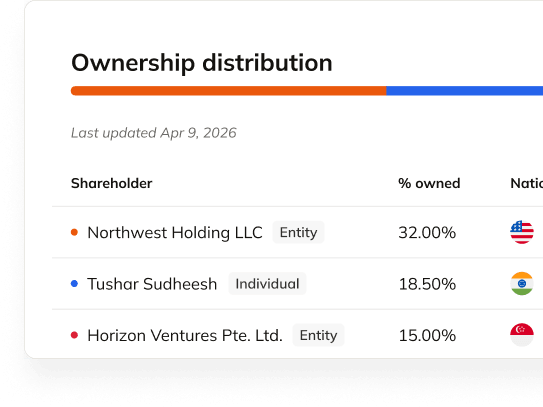
Entity Management
Formation, maintenance, and oversight for subsidiaries across 70+ countries.
- Learn more
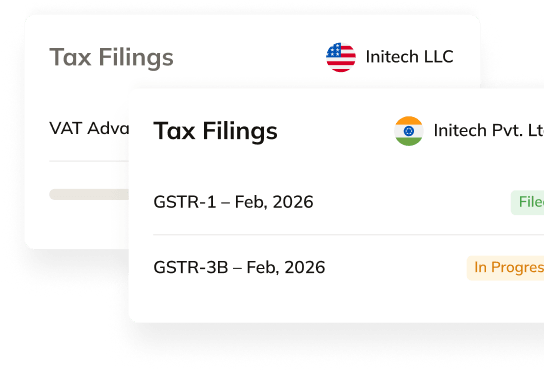
Global Indirect Tax
VAT, GST, and sales tax obligations tracked, filed, and confirmed.
- Learn more
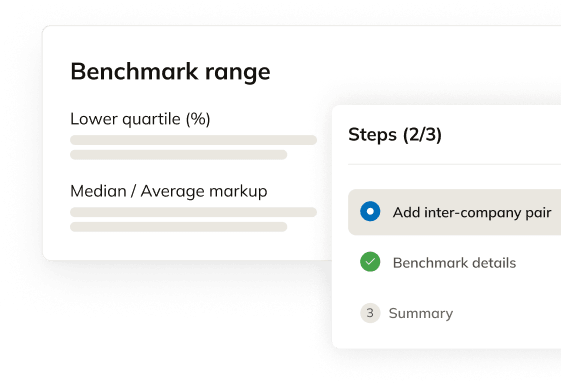
Transfer Pricing
Intercompany policy, documentation, and filing, built to OECD standards.
- Learn more
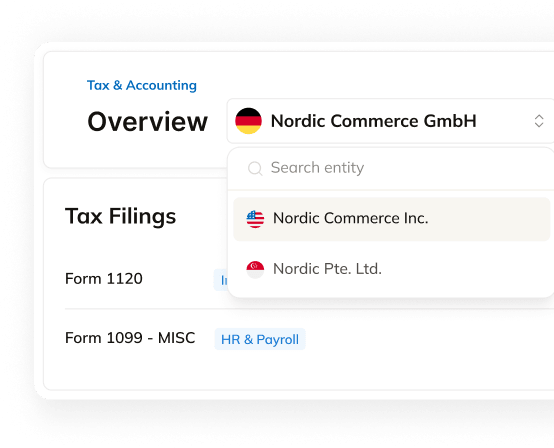
Tax & Accounting
Consolidated financial reporting and local corporate tax filings. One audit trail.
Entity types
Choose the right structure for your business
Recommended
Private Limited Company
Kenya's standard business structure for foreign subsidiaries and growth-stage companies, incorporated under the Companies Act 2015 with the Business Registration Service. It offers full limited liability, a clear share structure, and is the vehicle expected by Kenyan banks, enterprise customers, and institutional investors.
Benefits
- Limited liability: shareholders' personal assets are protected; exposure is capped at their paid-up share capital
- 100% foreign ownership permitted with no local partner requirement in most sectors
- Separate legal personality: the company can own property, enter contracts, and sue or be sued in its own name
- Clear equity structure supports raising capital from investors and structuring employee ownership
- Access to Kenya's broad double tax treaty network covering the UK, France, Germany, India, and others
- Eligible for Special Economic Zone incentives and Nairobi International Financial Centre status where applicable
Key considerations
- 30% corporate income tax applies on net taxable profits; advance tax payments required
- KRA PIN registration and tax compliance from the first year of operation are mandatory
- VAT registration required once annual taxable turnover exceeds KES 5 million
- Annual returns must be filed with the Business Registration Service
- Digital services tax at 1.5% of transaction value applies to non-resident digital service providers
- Capital gains tax at 15% applies on gains from the transfer of property
How it works
From kickoff to open for business in Kenya
Incorporating in a new country means unfamiliar filings, local requirements, and moving parts across multiple vendors.
We handle all of it so you don't have to.
Day 1
Onboarding
Your details submitted once. Entity name checked, documents collected, filings kicked off. No back-and-forth.
Days 1–3
Entity confirmed
Incorporation done. Formation documents, company number, and registered address live in your Commenda dashboard.
Week 1–2
Tax setup
Tax registrations filed, banking guidance underway. Compliance calendar set for your jurisdiction.
Week 2
Open for business
You're operational in a new market. Without a single trip to a government office.

G2 Reviews
Rated by the teams using it
Scores from finance and legal leads handling compliance globally.
Entity Management
#1 Ranked9.6/ 10Set up your entity and keep it in good standing. Filings, records, and renewals tracked in one place.
Corporate Tax & Compliance
Top Rated9.1/ 10Every tax deadline on one calendar. Corporate returns and statutory filings handled without the back-and-forth.
Sales Tax & VAT/GST
Commenda Leads9.4/ 10Handle VAT, GST, and sales tax in every country you operate in, and manage it all in one place.
Kenya resources
Everything you need for your Kenya operations
Detailed guides on tax, compliance, and business structure in Kenya.
- Incorporation
How to Incorporate in Kenya
Private Limited Company vs. Branch, Business Registration Service process, KRA registration, and timelines.
Read guide - Tax Guide
Corporate Taxes in Kenya
Corporate income tax rates, VAT obligations, digital services tax, and capital gains tax explained.
Read guide - Compliance
Annual Compliance Calendar for Kenya
Every KRA and Business Registration Service filing deadline your Kenya entity needs to meet.
Read guide - East Africa
Expanding Across East Africa from Kenya
How a Kenya entity serves as the hub for regional expansion into Uganda, Tanzania, Rwanda, and the wider COMESA bloc.
Read guide
FAQ
Common questions
Yes. Kenya permits 100% foreign ownership of a Private Limited Company in most sectors with no local partner requirement. Certain regulated sectors, including broadcasting and some natural resources activities, have local ownership conditions. Foreign investors must obtain a business permit from the Department of Immigration Services to actively work in the business.
A Kenya Private Limited Company pays corporate income tax at 30% on net taxable profits, with advance tax payments due quarterly. VAT at 16% applies once annual turnover exceeds KES 5 million. Capital gains tax at 15% applies on property and share transfers. Employers must withhold PAYE from employee salaries and remit to KRA monthly. Non-resident digital service providers face a 1.5% digital services tax on transaction value.
A Private Limited Company can be registered with the Business Registration Service in approximately 3 to 4 weeks, following online name reservation, submission of incorporation documents, and payment of registration fees. KRA PIN registration and VAT enrollment add additional time. Companies needing sector-specific licenses should budget additional weeks depending on the regulator.
The Nairobi International Financial Centre (NIFC) is a government-backed initiative to position Nairobi as a leading African financial hub. NIFC-certified companies can access preferential corporate tax rates of 15% for financial services firms and 25% for headquarters operations, alongside streamlined licensing and work permit processing. Qualifying entities include banks, fund managers, insurance companies, and regional headquarters.
Yes. Kenya's Special Economic Zones (SEZs) offer qualifying enterprises a 10% corporate tax rate for the first 10 years and 15% thereafter, compared to the standard 30%. SEZ enterprises are also exempt from VAT, customs duties, and stamp duty on inputs. Manufacturing, logistics, agro-processing, and technology companies are typical beneficiaries. SEZ enterprises must operate from designated zones and receive approval from the SEZ Authority.
Join hundreds of international businesses growing fast with Commenda
Tell us where you're expanding and we'll scope the requirements, handle the filing, and keep your entity compliant, usually within 24 hours of kickoff.

