When managing different employment types, businesses need to clearly understand the difference between 1099 contractors and W-2 employees. These classifications not only impact taxes but also determine the rights and responsibilities of both the employer and the worker. Proper classification is essential to ensure compliance. Misclassifying workers can lead to legal issues, tax complications, and fines.
This blog outlines the key differences between the two to ensure proper tax handling and compliance with workplace rights.
W-2 Employees: Definition and Roles
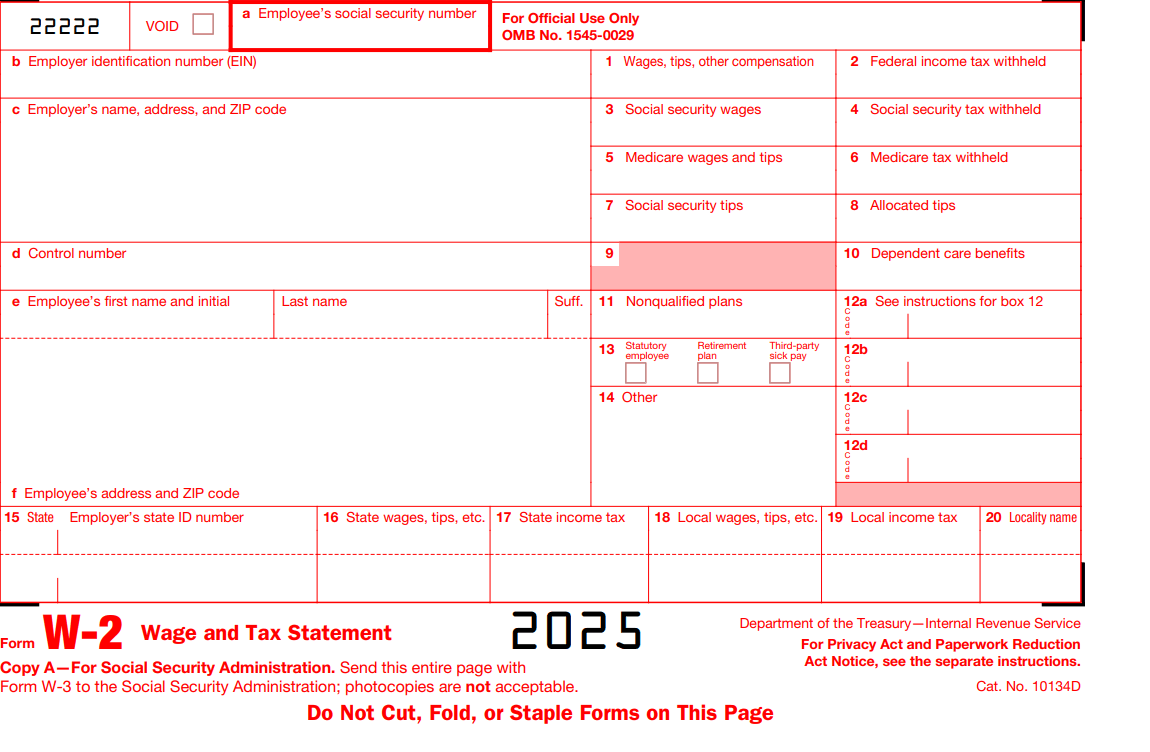
A W-2 employee is a permanent or long-term worker who follows a set schedule, receives regular paychecks, and is eligible for benefits like health insurance, retirement plans, and paid time off. As an employer, you are responsible for withholding taxes from their wages, including federal, state, and social security taxes. At the end of the year, W-2 employees receive a W-2 form detailing their total income and the taxes withheld. For more information on W2 forms and how and when to use them, click here.
Characteristics of W-2 Employees:
- Permanent employment: Typically full-time or part-time with a consistent schedule.
- Employer-controlled work structure: Employers dictate how, when, and where the work is performed.
- Tax withholding: Taxes are automatically deducted from wages by the employer.
- Employee benefits: Health insurance, retirement plans, and paid leave are often provided.
1099 Workers: Definition and Roles
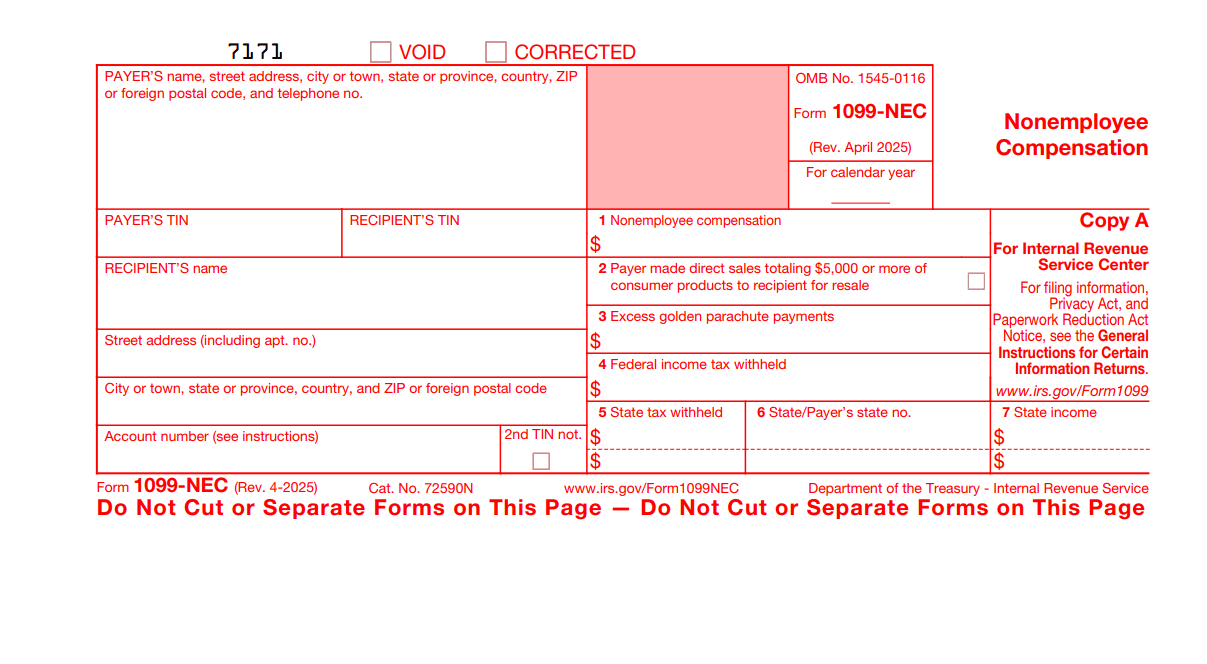
A 1099 worker (independent contractor) operates their own business and is hired by your company for specific tasks or projects. Unlike W-2 employees, 1099 workers manage their own taxes, including Income Tax, Social Security, and Medicare. They receive a 1099 form at the end of the year to report income earned from your business. For more information on the 1099 form and how and when to use it, click here.
Characteristics of 1099 Workers:
- Self-employed: They manage their own business and are paid per project or task.
- Independent control: They determine how, when, and where they work, often without direct oversight from the hiring company.
- Self-managed taxes: 1099 workers are responsible for paying their own taxes, including estimated quarterly payments.
- No employee benefits: They do not receive health insurance, retirement benefits, or paid leave.
Now that we have covered what defines 1099 vs W2 employees, let’s break down the key differences between these two types of workers.
Key Differences Between W-2 and 1099 Workers
Understanding the differences between 1099 vs W2 employees goes beyond just how they are taxed. There are several important factors that affect both parties, including control over work duties, costs for the employer, and employee benefits.
Control and Job Duties
- W-2 Employees: Employers control how, when, and where the work is done. Employees follow a set schedule, report to supervisors, and adhere to company policies.
- 1099 Workers: Independent contractors have more control over their work schedule, methods, and task completion. The company hires them for specific projects but doesn’t manage the work process.
Associated Costs
- W-2 Employees: Employers cover payroll taxes (Social Security, Medicare), benefits (Health Insurance, Retirement Plans), and other employment-related expenses, which increase overall costs.
- 1099 Workers: Employers do not cover payroll taxes or benefits. 1099 workers are responsible for their own taxes and expenses, reducing the employer’s overhead.
Employee Benefits
- W-2 Employees: They typically receive benefits like health insurance, paid vacation, retirement plans, and life insurance as part of their compensation package.
- 1099 Workers: They don’t get employer-sponsored benefits and must manage their own health insurance, retirement, and time off costs. These expenses are often included in their rates.
If you’re looking for a solution to manage employment classifications and associated processes effectively, Commenda can provide valuable assistance. For employers, Commenda can simplify the distinction between W-2 employees and 1099 workers by automating payroll, tax withholdings, and benefits management.
Understanding the key differences between 1099 vs W2 workers sets the stage for understanding the specific employment and tax forms that each classification requires, which are crucial for ensuring compliance and avoiding costly mistakes.
Employment and Tax Forms
When it comes to tax reporting for different types of workers, two primary forms are used, which are Form W-2 and Form 1099-NEC. These forms serve different purposes based on the worker’s employment status and the nature of their compensation.
Details on Form W-2
Form W-2 reports wages, salaries, and compensation for W-2 employees. It details income, federal and state taxes withheld, social security, and medicare contributions. Employees use it to file taxes and calculate refunds or liabilities. Employers must provide W-2 forms by the end of January, file with the IRS, and withhold taxes throughout the year. Key details on the form include total wages, tax withholdings, and deductions like retirement contributions and health insurance.
Details on Form 1099-NEC
Form 1099-NEC is used to report non-employee compensation, such as payments to independent contractors. Contractors receiving $600 or more in a year get this form, which reports total payments without tax withholding. Contractors are responsible for reporting income and paying self-employment taxes. Employers must issue 1099-NEC forms by January 31 and file with the IRS. The form includes payment details, payer information, and the contractor’s personal data.
Legal and Financial Implications of 1099 vs. W-2 Workers
Understanding the legal and financial implications of classifying workers as W-2 employees or 1099 independent contractors is crucial. Following is a deeper look at the misclassification risks and the guidelines from the IRS and Department of Labor (DOL) that help businesses properly classify workers.
Misclassification Risks: Legal and Financial Consequences
Misclassifying workers as either 1099 contractors or W-2 employees can lead to significant legal and financial penalties, such as:
Legal Risks:
- Back Taxes: Businesses may have to pay withheld taxes, including social security, medicare, and income taxes, plus penalties and interest.
- Penalties: The IRS imposes penalties, such as a 20% charge on unpaid employment taxes for the first year of misclassification.
- Lawsuits: Misclassified employees can file lawsuits for unpaid wages, overtime, and benefits.
Financial Risks:
- Higher Costs: Misclassification may lead to retroactive obligations like healthcare, paid leave, and retirement contributions.
- Audit Risks: Misclassifications can trigger IRS or DOL audits, incurring administrative costs and operational disruptions.
IRS and DOL Guidelines for Classification
The IRS and DOL use three primary tests to determine whether a worker is a 1099 contractor or W-2 employee: behavioral, financial, and relationship factors.
- Behavioral Test: Measures the level of control an employer has over the worker. W-2 employees follow specific instructions, while 1099 contractors have more autonomy in how work is done.
- Financial Test: Considers compensation and financial investment. W-2 employees receive a fixed wage and use employer-provided tools, while 1099 contractors set their rates and often provide their tools.
- Relationship Test: Evaluate the nature of the worker’s relationship with the company. W-2 employees have a long-term relationship with benefits, while 1099 contractors work on a temporary basis without benefits.
Importance of Correct Classification
Proper classification ensures compliance with tax, wage, and benefits laws and protects businesses from legal, financial, and reputational risks. Misclassifying workers can lead to fines, back taxes, and legal claims, making correct classification crucial.
By integrating Commenda’s compliance tools, businesses can generate and manage W-2 and 1099 tax forms, maintain accurate payroll records, and stay compliant with IRS and DOL guidelines. This not only helps avoid fines and penalties but also streamlines the payroll and tax filing processes.
Tax Implications for Individuals: 1099 vs W2
When it comes to tax implications, there are significant differences between being a 1099 vs W2 employees. Below is a breakdown of the 1099 vs W-2 tax implications for individuals.
W-2 Tax Withholding: Employer’s Responsibility for Withholding Income Taxes
As a business, you are responsible for handling tax withholdings for your W-2 employees, including federal, state, and local taxes, along with social security, and Medicare (FICA) contributions. As an employer, you have to match the FICA contributions, with the employee paying 6.2% for Social Security and 1.45% for Medicare. You also contribute to unemployment insurance and may offer employee benefits like healthcare and retirement plans, with deductions made from your pay.
1099 Tax Responsibilities: Contractor’s Obligation for Self-Employment and Quarterly Taxes
As a business, when working with 1099 independent contractors, they are responsible for their own self-employment taxes, including the full 15.3% FICA tax (12.4% Social Security and 2.9% Medicare) and quarterly estimated tax payments to the IRS. Contractors must handle both income and self-employment taxes without employer withholding.
One advantage is the ability to deduct business-related expenses, such as office supplies and travel, reducing taxable income. Contractors do not receive employer-sponsored benefits and must arrange their own health insurance, retirement plans, and paid time off.
Key Differences Between W-2 and 1099 Tax Implications
The following table highlights the key differences between 1099 vs W2 tax implications:
| Category | W-2 Employees | 1099 Contractors |
|---|---|---|
| Tax Withholding | Taxes are withheld by the employer and sent to the IRS. | Individuals are responsible for paying taxes directly to the IRS, including quarterly payments. |
| Self-Employment Taxes | Only pay half of the FICA tax, with the employer covering the other half. | Must pay the full 15.3% self-employment tax. |
| Quarterly Payments | Taxes are automatically withheld from their paycheck. | Must make quarterly tax payments to avoid penalties. |
| Deductions | Limited to deductions unless they itemize on their tax return. | Can deduct legitimate business expenses to reduce taxable income. |
Why Understanding the W-2 and 1099 Difference Matters
Understanding the W-2 vs. 1099 tax implications is crucial because it determines your tax filing responsibilities and how much you will owe at the end of the year. While W-2 employees benefit from automatic tax withholding, 1099 contractors have more control over their taxes but are required to handle their payments more actively. Both categories come with their own set of advantages and challenges, depending on your work style and financial situation.
Commenda offers comprehensive solutions for businesses managing W-2 employees and 1099 contractors.
While the tax implications for individuals are crucial to understand, businesses must also carefully consider a range of decision-making factors when determining whether to classify workers as W-2 or 1099, as this choice directly impacts their operations and bottom line.
Decision-Making Factors for Businesses: 1099 vs. W-2
When businesses need to decide whether to hire W-2 employees or 1099 contractors, several factors come into play, including long-term commitments, costs, and the level of flexibility needed. Each classification has its own set of advantages and potential drawbacks, making it essential for businesses to evaluate their needs carefully. Here’s a breakdown of the W-2 and 1099 decision-making factors.
Advantages of Hiring W-2 Employees: Long-Term Commitment and Cultural Integration
Hiring W-2 employees offers several advantages, particularly when a business is looking for long-term commitment and cultural integration.
- Long-Term Stability: W-2 employees offer stability and continuity, ideal for businesses needing consistent work over time.
- Cultural Fit: Employees become invested in the company’s success, contributing to better retention and performance.
- Control Over Work Quality: Employers have greater control over daily tasks, processes, and outcomes, which is essential for businesses with specific standards.
- Employee Development: Businesses can invest in training and career growth, leading to higher morale and reduced turnover.
- Benefits: W-2 employees receive benefits like health insurance, paid time off, and retirement plans, helping attract and retain top talent.
Benefits of Using 1099 Contractors: Flexibility and Cost-Effectiveness
On the other hand, hiring 1099 contractors can provide a different set of benefits, particularly in terms of flexibility and cost-effectiveness.
- Cost Savings: Contractors save businesses money by eliminating the need for benefits and payroll tax contributions.
- Flexibility: Ideal for temporary projects or fluctuating workloads, allowing businesses to scale quickly and hire specialized skills as needed.
- Less Administrative Work: Contractors manage their own schedules and work independently, reducing oversight and administrative costs.
- Specialized Expertise: Contractors often bring niche skills, providing access to expert talent for specific projects without long-term commitments.
- No Long-Term Commitments: Contractors are hired for specific tasks, offering businesses flexibility to adjust staffing based on short-term needs.
Key Differences Between W-2 and 1099 Employees:
The following table highlights the key benefits of 1099 vs W2 employees:
| Category | W-2 Employees | 1099 Contractors |
|---|---|---|
| Commitment vs. Flexibility | Offer long-term stability and integration into the company. | Bring short-term flexibility and scalability. |
| Costs | Higher costs due to benefits and tax contributions. | More cost-effective, especially for project-based work. |
| Cultural Integration | Part of the company culture. | Work independently, less integrated into the company culture. |
| Employee Development | Benefit from ongoing training and career development. | Responsible for their own development. |
If you need long-term commitment, employee development, and cultural integration, W-2 employees might be the right fit. On the other hand, if your business needs flexibility, specialized expertise, or cost savings, 1099 contractors could be the better option.
Whether you need help with payroll, tax reporting, compliance, or contractor agreements, Commenda offers solutions to help you manage both types of workers effectively, ensuring you meet legal requirements and maximize efficiency in your workforce.
Let’s now take a look at the examples of employment types for the different categories.
Examples of Employment Types: 1099 vs. W2
When deciding between W-2 employees and 1099 workers, it’s important to understand the different employment types and their respective roles. Here are some specific examples of each:
W-2 Employee Examples: Full-Time Administrative Roles, Salaried Positions
W-2 employees are permanent, full-time workers who follow company schedules and processes. They receive regular pay and benefits like health insurance, retirement plans, and paid time off. Common W-2 roles include:
- Administrative Assistants: Handle office tasks, manage schedules, and support senior staff.
- Marketing Managers: Develop and manage marketing strategies, oversee campaigns, and analyze data.
- Customer Service Representatives: Handle client inquiries and support, ensuring customer satisfaction.
- IT Specialists: Manage IT infrastructure, software, and network security.
- Human Resources Managers: Oversee recruitment, employee relations, and compliance.
1099 Worker Examples: Freelancers, Consultants
1099 workers are independent contractors or freelancers. They are responsible for their own taxes and work schedules. Here are some typical examples of 1099 workers:
- Freelance Writers: Writers hired on a per-project or contract basis are often 1099 workers.
- Consultants: Professionals who provide expert advice or services for specific projects are typically 1099 workers.
- Graphic Designers: Many graphic designers work as independent contractors.
- Web Developers: Freelance web developers, who are hired to build or maintain websites for different clients, are often 1099 workers.
- Real Estate Agents: 1099 workers in real estate work on commission.
For businesses navigating the choice between W-2 employees and 1099 workers, Commenda can offer expert guidance. Whether you’re looking to streamline your hiring process or ensure compliance with employment laws, Commenda specializes in simplifying the complexities of workforce management.
Conclusion
Understanding the differences between 1099 vs W-2 workers is crucial for businesses looking to optimize their workforce structure. If you’re unsure about the best approach for your business, Commenda can help.
Take the next step today, reach out to Commenda for expert advice and streamline your workforce management with ease. Contact us right away and schedule a demo with Commenda today to ensure your business stays compliant while optimizing its hiring practices.