Do business in Denmark. Without the mess.
Denmark consistently ranks among the easiest places in the world to do business. Digital incorporation via virk.dk in 1-3 days, a 22% corporate tax rate, and no residency requirement for directors make it one of Europe's most accessible entry points.

Trusted by global businesses

































Why Denmark
Why Denmark for your next entity
Denmark's stable legal framework, transparent regulatory environment, and digital-first government infrastructure make it one of the fastest and most predictable places to establish a European entity. The ApS (private limited company) can be registered through the virk.dk portal in 1-3 business days with DKK 40,000 in share capital. The 22% corporate tax rate is in line with EU averages, and Denmark's strong IP protection and participation exemption rules make it a solid holding company jurisdiction. For shipping businesses, the tonnage tax regime provides significant tax certainty. There are no local director requirements and no capital controls on repatriation of profits.
Explore incorporation options- 22%Corporate tax rateDenmark's standard corporate income tax rate on taxable profits
- DKK 40KMinimum share capital (ApS)Required to form a Danish Anpartsselskab private limited company
- 1-3 daysDigital incorporation timelineApS registration via virk.dk is among the fastest in the EU
- #1EU ease of doing business (World Bank)Denmark has historically ranked top in Europe for business environment quality
Product Suite
One platform
Every jurisdiction, no gaps
Built for finance teams running international operations without a dedicated compliance function. This is the infrastructure you should have had from day one.
- Learn more
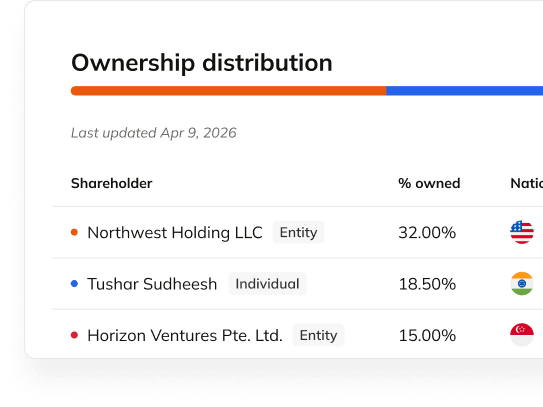
Entity Management
Formation, maintenance, and oversight for subsidiaries across 80+ countries.
- Learn more
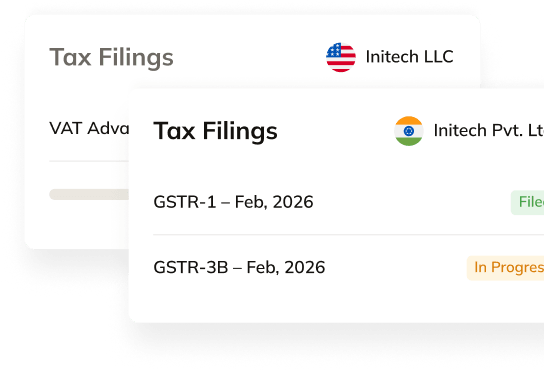
Global Indirect Tax
VAT, GST, and sales tax obligations tracked, filed, and confirmed.
- Learn more
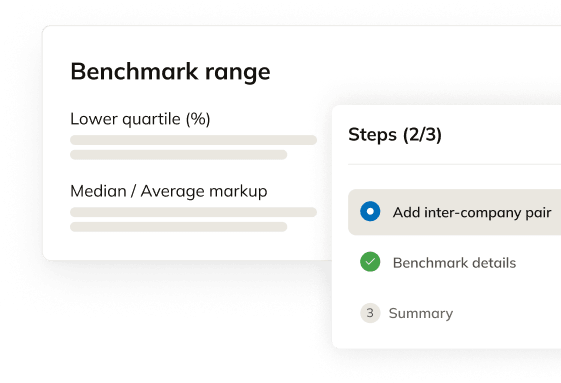
Transfer Pricing
Intercompany policy, documentation, and filing, built to OECD standards.
- Learn more
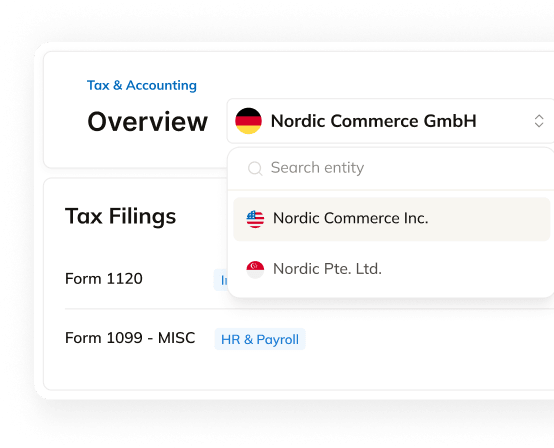
Tax & Accounting
Consolidated financial reporting and local corporate tax filings. One audit trail.
Entity types
Choose the right structure for your business
Recommended
ApS (Anpartsselskab / Private Limited Company)
Denmark's private limited company is the standard vehicle for foreign market entry. It provides full limited liability, can be registered digitally in 1-3 days via virk.dk, and has no residency requirements for directors or shareholders.
Benefits
- DKK 40,000 minimum share capital (approximately €5,400)
- Digital registration via virk.dk in 1-3 business days
- No Danish resident director or shareholder required
- 22% corporate tax rate with participation exemption for qualifying holdings
- Strong IP protection framework and access to EU single market
- Single-member structure permitted for wholly owned subsidiaries
Key considerations
- DKK 40,000 share capital must be paid before registration
- Annual report must be filed with the Danish Business Authority (Erhvervsstyrelsen)
- 25% VAT (moms) registration required for trading entities
- At least one director required; larger companies may require a supervisory board
- Companies above size thresholds require a statutory auditor
How it works
From kickoff to open for business in Denmark
Incorporating in a new country means unfamiliar filings, local requirements, and moving parts across multiple vendors.
We handle all of it so you don't have to.
Day 1
Onboarding
Your details submitted once. Entity name checked, documents collected, filings kicked off. No back-and-forth.
Days 1–3
Entity confirmed
Incorporation done. Formation documents, company number, and registered address live in your Commenda dashboard.
Week 1–2
Tax setup
Tax registrations filed, banking guidance underway. Compliance calendar set for your jurisdiction.
Week 2
Open for business
You're operational in a new market. Without a single trip to a government office.

G2 Reviews
Rated by the teams using it
Scores from finance and legal leads handling compliance globally.
Entity Management
#1 Ranked9.6/ 10Set up your entity and keep it in good standing. Filings, records, and renewals tracked in one place.
Corporate Tax & Compliance
Top Rated9.1/ 10Every tax deadline on one calendar. Corporate returns and statutory filings handled without the back-and-forth.
Sales Tax & VAT/GST
Commenda Leads9.4/ 10Handle VAT, GST, and sales tax in every country you operate in, and manage it all in one place.
Denmark resources
Everything you need for your Denmark operations
Detailed guides on tax, compliance, and business structure in Denmark.
- Incorporation
How to Incorporate in Denmark
Step-by-step guide to forming an ApS via Denmark's virk.dk portal, from share capital deposit to Danish Business Authority registration and VAT enrollment.
Read guide - Compliance
Denmark Corporate Compliance Guide
Annual report filing, VAT (moms) returns, and corporate income tax obligations for Danish entities.
Read guide - Tax
Denmark Corporate Tax Overview
How Denmark's 22% rate, participation exemption, and tonnage tax regime apply to foreign-owned entities and holding structures.
Read guide - Expansion
Expanding into Northern Europe via Denmark
Why multinationals use Danish ApS entities as their Scandinavian hub and how to structure for cross-border tax efficiency.
Read guide
FAQ
Common questions
Join hundreds of international businesses growing fast with Commenda
Tell us where you're expanding and we'll scope the requirements, handle the filing, and keep your entity compliant, usually within 24 hours of kickoff.